 EN
EN
Core Freight Services: Enabling Reliable Global Supply Chains
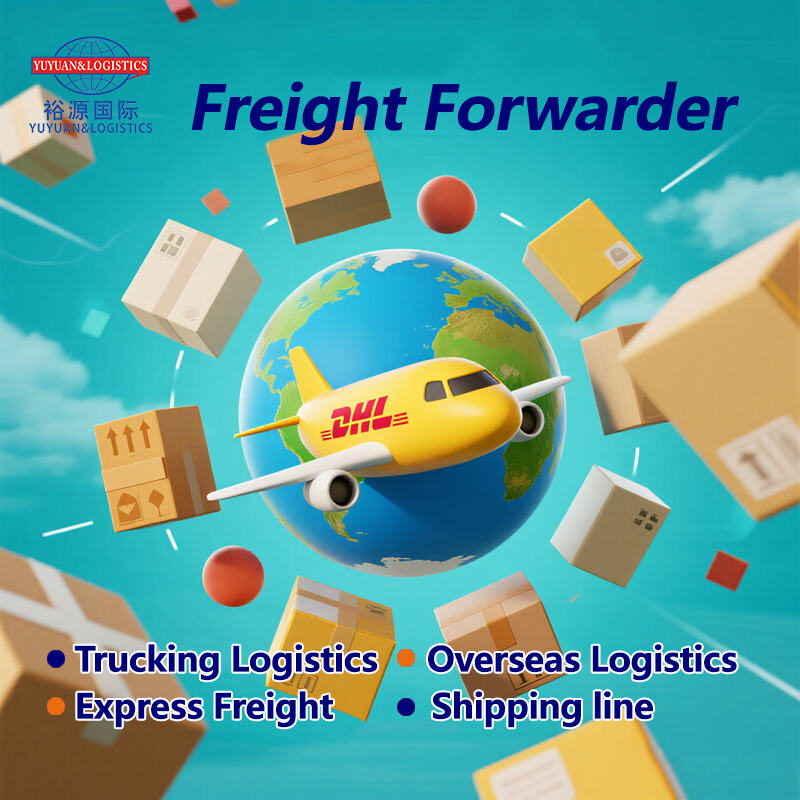
Ocean, air, rail, and road freight solutions tailored to shipment type and urgency
Companies looking to get their goods from point A to B efficiently need to match what they're shipping with the right transport method. For big volumes that aren't time sensitive, ocean freight still dominates global trade. The numbers back this up too - shipping by sea costs around half to two thirds less than flying cargo, based on recent industry data from last year. When timing matters though, nothing beats air freight. It can slash delivery times by nearly three quarters compared to ships, which makes all the difference when products are perishable or market windows are tight. Trains handle massive loads across continents pretty well, particularly important between manufacturing centers in places like Eurasia where factories rely on steady material flows. Trucks remain absolutely necessary for getting things to local warehouses and stores, especially when companies want inventory fresh off the production line. Most businesses these days mix and match different transport options rather than sticking with one single method. Around 9 out of 10 companies do this actually, combining various modes to weather disruptions and keep their supply chains running smoothly despite all sorts of unpredictable events.
End-to-end freight coordination—from origin pickup to final-mile delivery
When companies implement true end to end coordination, they basically cut out all those frustrating handoffs between different parts of the supply chain. Logistics specialists handle everything from dock scheduling to cross docking, making sure carriers switch smoothly and paperwork gets transferred properly. About one third of shipment delays actually come down to bad paperwork somewhere along the line. With real time tracking systems, businesses can see exactly what's happening at each step of the process: when goods leave the factory floor, during transportation across country, at ports where cargo moves around, through customs checks, and finally getting delivered to customers. These systems send automatic alerts whenever something goes wrong like unexpected weather forcing route changes, inspections holding things up, or crowded ports slowing things down. Companies can then react quickly before problems escalate. What this approach does is reduce the need for people to manually manage stuff by almost half, which means better on time in full delivery rates overall. Instead of having separate points of contact scattered throughout the shipping process, everything becomes part of one continuous journey that's easy to track and hold someone accountable for if things go sideways.
Freight Compliance & Cross-Border Expertise
Customs brokerage, tariff classification, and regulatory navigation for seamless freight clearance
Getting customs compliance right isn't just about filling out forms correctly. When companies assign the right HS codes to their products, they're actually determining how much duty they'll pay at borders. And having all the necessary documents ready - commercial invoices, packing lists, those pesky certificates of origin - creates the legal backbone needed for shipments to move across international boundaries without hiccups. Small mistakes happen all the time, but these can cause major headaches. According to research from Ponemon Institute last year, around one quarter of border delays stem from such errors, which costs businesses roughly $740k each year on average. Staying compliant means keeping tabs on changing regulations too, not just ticking boxes once and forgetting about it. From product restrictions to updates in trade agreements, things are always shifting. Working with experienced customs brokers makes a huge difference here. These professionals cut down delays by almost two thirds thanks to strategies like getting binding tariff rulings ahead of time, optimizing duty refunds when applicable, and validating shipments before they even reach ports. The result? Companies stop seeing compliance as just another expense and start viewing it as something that actually helps business operations run smoother, keeps money flowing, and protects profit margins in the long run.
Technology-Driven Freight Management
Real-time freight visibility, TMS integration, and AI-powered route and carrier optimization
Real time tracking from start to finish is where digital freight management starts making a difference. Companies can now follow their shipments right down to individual containers or pallets. This means problems get spotted earlier and fixed before they cause major holdups, cutting unnecessary delays by around 25-30%. Transportation Management Systems bring everything together for carriers - handling communication, loading requests, paperwork, and performance stats all over the world network. AI takes things further by looking at past shipping records, current port traffic, weather patterns, even political situations that might affect routes. Then it suggests better paths for shipments based on what matters most: keeping costs low, getting goods there fast, and maintaining reliable service levels. Smart algorithms keep improving which carriers get chosen too. They look at actual performance numbers like how often deliveries arrive on schedule, how many items get damaged during transport, and whether documents are handled correctly. This creates an ongoing rating system that automatically adjusts as market conditions change and new data comes in.
Automated freight audit, payment reconciliation, and financial workflow synchronization
Automating freight finance cuts down on those frustrating mistakes that happen when people handle all the paperwork manually. Smart audit systems check carrier invoices against everything from contracts to published rates and service history, which according to the 2024 Logistics Audit Report brings down billing errors by around 25%. The payment matching tools work like magic too, linking invoices directly to purchase orders and delivery confirmations while highlighting anything suspicious for closer inspection. These automation solutions play nice with existing ERP and accounting software, pushing live freight spending numbers straight into budget planning, cash flow projections, and cost analysis reports. What really matters though is how fast payments get processed and how these connected systems create clear paper trails that satisfy both company policies and government regulations without creating extra work for anyone involved.
Strategic Freight Resilience Amid Market Volatility
Creating resilience when dealing with unpredictable freight markets really comes down to spreading out capacity options and making decisions based on actual market data instead of guesswork. Most forward thinking shipping companies these days split their freight loads among different types of contracts. About half goes into fixed rate deals that provide some basic stability, roughly a quarter is linked to price indexes so they can react when prices change, and somewhere between 10 to maybe 30 percent stays flexible for spot markets where demand suddenly spikes or certain routes get backed up (according to research from the Ponemon Institute last year). This kind of approach helps protect against several big problems that tend to come up regularly in the industry.
- Cost unpredictability during geopolitical shocks or sudden capacity shortages
- Service erosion from port congestion, labor actions, or carrier insolvencies
- Emergency bottlenecks when primary routes become unavailable
Technology platforms are behind much of this resilience these days, giving companies real time visibility into their operations while allowing them to run different scenarios and execute backup plans quickly. When problems arise, shipping companies can reroute cargo away from traffic jams, switch to alternative carriers they've already negotiated with, or shift inventory between warehouses - often within just a few minutes. Those who implement what's called Container Shipping 3.0 systems see about a 27 percent improvement in sticking to schedules according to industry reports. Money matters get handled better too thanks to automatic auditing software that checks payments against changing rates, making sure everyone knows exactly what they're paying and keeping contracts intact throughout the supply chain.
FAQ
What are the benefits of using multiple freight transport options?
Using multiple freight transport options helps companies weather disruptions and maintain smooth supply chain operations by leveraging the strengths of each mode, such as cost efficiency from ocean freight and speed from air freight.
How does end-to-end freight coordination enhance deliveries?
End-to-end freight coordination reduces shipment delays, cuts down manual management by linking all steps of the shipping process, and provides real-time insights and alerts to respond quickly to potential issues.
Why is customs compliance important in freight services?
Customs compliance avoids costly errors and delays at borders, ensures proper tariff classifications, and helps in meeting regulatory requirements, thus facilitating smooth international shipments.
What role does technology play in freight management?
Technology, including real-time tracking and AI-powered systems, enables better route optimization, carrier performance assessment, reduced delays, and keeping logistics operations efficient by integrating data-driven insights.
How do companies ensure freight resilience amid market volatility?
Companies use strategies like diversified contract types, real-time operation visibility, alternative route planning, and financial auditing to face unpredictable market changes effectively and protect against common shipping issues.
Table of Contents
- Core Freight Services: Enabling Reliable Global Supply Chains
- Freight Compliance & Cross-Border Expertise
- Technology-Driven Freight Management
- Strategic Freight Resilience Amid Market Volatility
-
FAQ
- What are the benefits of using multiple freight transport options?
- How does end-to-end freight coordination enhance deliveries?
- Why is customs compliance important in freight services?
- What role does technology play in freight management?
- How do companies ensure freight resilience amid market volatility?