 EN
EN
Why Specialized Freight Forwarders Are Essential for Cross-Border Reliability
Mitigating Delays Through Expertise in Customs-Cleared Transit
Getting goods through customs is still one of the biggest headaches for international shipping, typically holding things up for around 2 to 3 days per shipment according to World Customs Organization data from 2024. Experienced freight forwarders handle these issues because they know all the ins and outs of regulations. They get HS codes right every time, prepare those origin certificates without mistakes, and manage all the necessary customs bonds properly. Plus, many have built strong connections at borders over years of work. These relationships help them deal with inspections faster and fix any problems before they turn into major roadblocks. When companies work with these experts, it stops expensive delays from happening when items are wrongly classified or paperwork goes missing. Delivery timelines stay intact and studies show such professional handling can cut down on customs delays by as much as 92 percent in some cases.
Global Carrier Networks and Multimodal Freight Integration
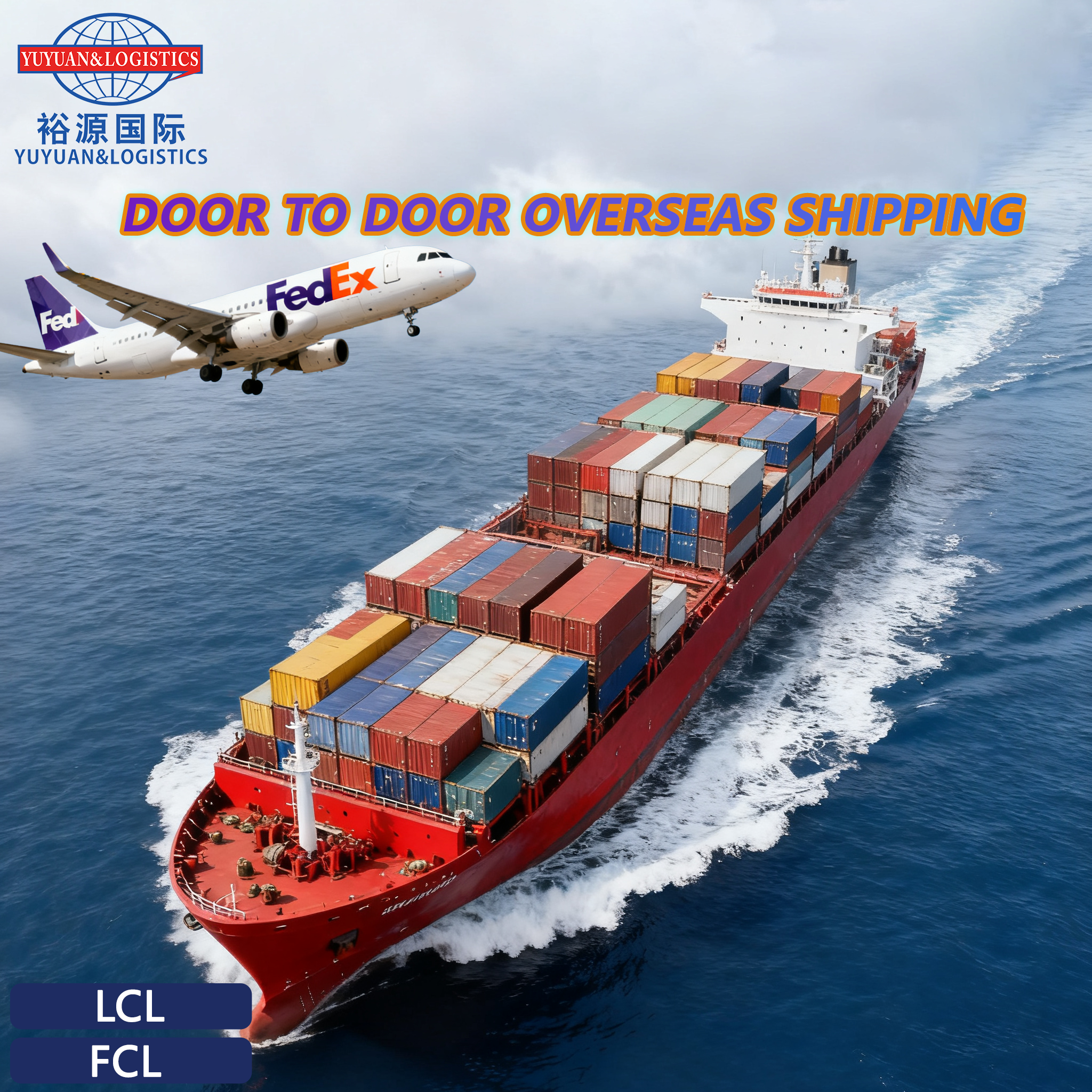
The best freight forwarders have built relationships with major airlines, shipping companies, and local trucking services spanning over 200 different trade routes around the world. Their diverse network allows them to make quick decisions when things go wrong. For instance, if there's a strike at a major port, they can switch shipments from sea to air transport. They also know how to handle tricky situations where goods need to reach countries surrounded by mountains or borders, often mixing train and truck transportation. Modern tracking technology gives businesses advance warnings about potential delays and lets them see exactly where their cargo is at all times. This kind of flexibility means packages keep moving even when unexpected problems arise, helping companies save money while still getting products delivered on schedule across international borders.
Freight Compliance: Automating Customs, Tariffs, and Documentation
Real-Time HTS Classification and Digital Documentation Workflows
Manual customs processes cause 30% of cross-border delays and cost businesses $740,000 annually in avoidable penalties (Ponemon Institute, 2023). Modern automation now enables real-time HTS (Harmonized Tariff System) classification by analyzing product attributes against global regulatory databases—eliminating errors that trigger customs holds. Digital workflows further streamline compliance:
- Auto-generation of commercial invoices and certificates of origin
- Instant validation of export licenses and restricted-party screenings
- Blockchain-secured document sharing with customs authorities
| Process | Manual Handling | Automated Workflow |
|---|---|---|
| HTS Classification | 4—8 hours | <2 minutes |
| Error Rate | 18% | 1.2% |
| Customs Clearance | 3—5 days | <24 hours |
These systems cut clearance times in half while ensuring consistent compliance across 190+ countries.
Avoiding Penalties with Proactive Regulatory Alignment
Global trade regulations change over 20,000 times each year—making manual monitoring impractical. Proactive compliance platforms continuously track:
- Tariff adjustments under free trade agreements
- Sanction list updates from OFAC and other global agencies
- Sustainability reporting mandates like the EU’s Corporate Sustainability Reporting Directive (CSRD)
Automated alerts flag relevant changes before shipments depart, and built-in rule engines dynamically adjust documentation workflows. This approach prevents an average $250,000+ in non-compliance penalties and reduces audit resolution time by 70%, reinforcing supply chain continuity without compromising regulatory rigor.
Key Freight Differences Between Import and Export Operations
Import and export operations diverge significantly across three critical dimensions: cost allocation, documentation complexity, and risk management protocols.
When dealing with imported goods, businesses face several cost factors beyond just the product price itself. Think about customs duties first off, then there are those port handling fees that can really add up. And don't forget about getting stuff moved from wherever it arrives at port all the way to where it needs to go domestically. The numbers tell an interesting story too - according to U.S. Customs and Border Protection data, imports take roughly 30 percent longer to process compared to exports. Makes sense when we consider how much more thorough the inspection process tends to be for incoming shipments. Paperwork is another headache altogether. Companies need to make sure they have all their ducks in a row regarding proper import permits, figuring out exactly what tariff classification applies, and meeting any special requirements if they plan on storing goods in bonded warehouses. One small mistake here can cause major delays down the road.
Conversely, exports emphasize origin logistics—export packaging, inland haulage to ports, and adherence to destination-country regulations. Exporters focus on accurate HS coding, certificates of origin, and export license compliance. While importers absorb risks like duty miscalculations and customs delays, exporters bear responsibility for cargo readiness deadlines and pre-shipment inspections.
The choice of incoterms fundamentally shapes these responsibilities:
- FOB (Free On Board): Buyer assumes control—and risk—once goods are loaded aboard the vessel
- CIF (Cost, Insurance, and Freight): Seller manages ocean freight and insurance, often inflating landed costs for buyers by 12–18% (Global Trade Review, 2024)
Optimizing Supply Chains with Export-Focused Freight Strategies
Predictive Transit Analytics for Lean Inventory and On-Time Delivery
Predictive analytics for transit has really changed how companies handle their export freight. These systems can spot potential problems like backed up ports, bad weather hitting shipping lanes, or sudden changes in regulations before they actually mess up shipments. When businesses combine old transit records with current port information and even political developments around the world, they end up needing less buffer stock in warehouses without hurting their service standards. Some reports show inventory reductions around 30% in certain cases. With integrated tracking systems in place, companies can quickly change routes when something goes wrong, which keeps deliveries on schedule even when crossing international borders becomes complicated. Export businesses benefit from these models too since they help maximize container space usage and get paperwork done right when carriers need it. This cuts down overall transit time by roughly 18% according to industry data. What we see happening is supply chains becoming more agile and efficient. Freight moves smoother through customs checkpoints, companies spend less money tying up capital in excess inventory, and customers appreciate knowing exactly when their goods will arrive instead of guessing all the time.
FAQ Section
Why are freight forwarders crucial for international shipping reliability?
Freight forwarders mitigate customs delays and facilitate global carrier networks, ensuring timely delivery across borders.
How does automation improve freight compliance?
Automation reduces error rates, expedites customs clearance, and maintains consistent compliance with international regulations.
What are the key differences between import and export logistics?
Imports focus on cost factors like duties and port fees, while exports emphasize origin logistics and compliance with destination-country regulations.
How can predictive analytics optimize supply chains?
Predictive analytics spot potential shipping disruptions early, enabling efficient route adjustments and lean inventory management.