 EN
EN
The Strategic Importance of Sea Freight in Global Bulk Logistics
Maritime Dominance in Global Trade: 80% of Goods Transported by Sea
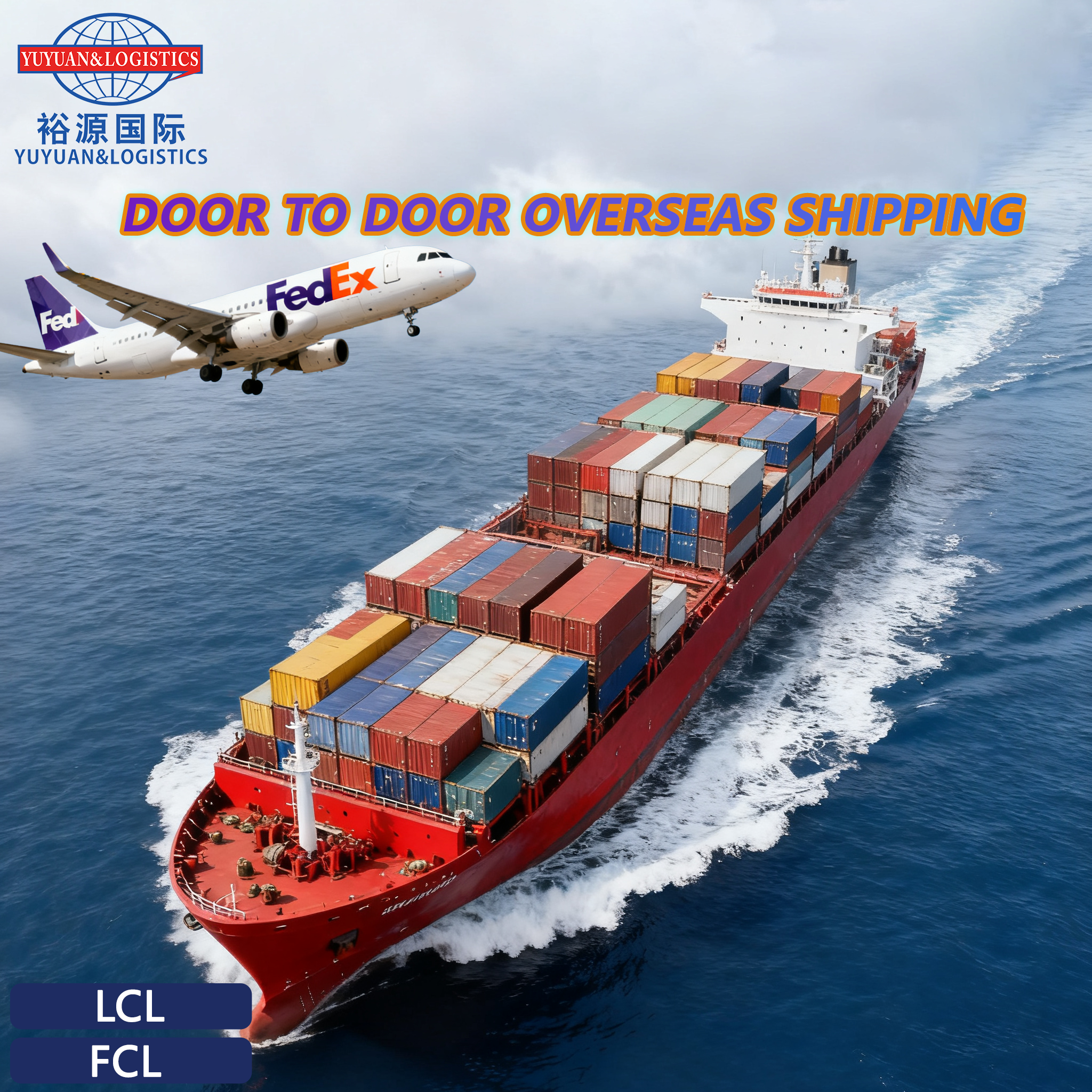
Shipping by sea is still the main way most international trade happens, with around 80 percent of all goods making their way across oceans each year. Why? Because nothing beats ships when it comes to moving massive amounts of stuff like iron ore, grain shipments, and fossil fuels. These are just way too big or heavy for planes or trucks to handle efficiently. Take a look at modern container vessels today. Some of them can haul well over 24 thousand TEUs worth of cargo. That's basically stacking containers three stories high across the entire length of the ship. The sheer size means companies save a ton on transportation costs too. Studies show these giant ships cut down individual item costs by as much as half compared to other forms of transport.
Growing Demand for Bulk Commodity Shipping and Dry Bulk Trends
Dry bulk shipping has seen steady growth at around 4.2% each year since 2020. This uptick makes sense when looking at all the industrial activity happening in developing countries plus the massive infrastructure projects going on worldwide. Coal, cement, those kinds of heavy goods make up nearly half (about 44%) of what gets shipped across oceans these days. The shipping companies aren't sitting still either. They're investing in special ships designed for specific jobs. Take the huge Capesize vessels that haul iron ore across long distances, or the Panamax ships built specifically to fit through major canals. Ports are also getting smarter. Automated conveyor belts have cut down unloading times by roughly 15%, which is a big deal because manufacturers want their materials delivered right when they need them, not a day later.
Core Principles of Maritime Transport Efficiency for Bulk Cargo
Port Operations and Congestion Management for Bulk Loading/Unloading
Bulk terminals are now moving around 30 percent more material each hour than they did back in 2019 thanks to automated conveyors and those fancy AI controlled yard cranes. When operators position stuff like iron ore or grain just 500 meters away from where ships dock, it really cuts down on how long loaders have to travel between spots. And there's something else too real time moisture sensors help keep cargo safe even when unexpected rain hits and operations get delayed. Top ports are getting smarter about timing things right with tides and scheduling shipments during slower periods, which apparently saves vessels about two full days waiting around, as noted somewhere in that Maritime Efficiency Report for 2023.
Vessel Scheduling, Cargo Logistics, and Supply Chain Coordination
When ships schedule their movements together and monitor bunker fuel through IoT devices, it stops those costly situations where vessels arrive empty handed. We're talking about wasting around $18k every single day on charter fees when this doesn't happen properly. Cargo manifests powered by blockchain technology cut down paperwork mistakes by almost 92% during complex bulk shipping journeys across multiple legs. At the same time, smart predictive tools help match ship arrivals right when smelters need materials most. Looking at real world data from the Global Trade Review last year shows something interesting too coordinated supply chains for bulk goods actually make better use of assets by about 18% compared to companies working in isolation.
Cost-Effectiveness of Sea Freight Compared to Other Transport Modes
Maritime vs. Rail, Road, and Air: Cost Analysis for Bulk Shipments
When it comes to moving large quantities of goods across oceans, sea freight just can't be beat when looking at the bottom line. The price difference between shipping by sea versus air is staggering too many times over really. Take a regular 40 foot container being sent overseas for instance it typically runs around $1,200 whereas getting that same container flown somewhere would set someone back well over $5,000. And things get even more interesting when we're talking about big heavy machinery or raw materials. Ships simply handle these massive loads so much better than trucks or trains ever could because they can carry so much more at once, which brings down the cost per unit dramatically.
- Fuel efficiency: Ships consume 0.5–1.1 liters of fuel per ton-kilometer, versus trucks (2.5–3.5 liters) and planes (9–11 liters)
- Infrastructure costs: Port handling fees average $200–$400 per container, avoiding highway tolls and railway surcharges
- Tax advantages: Lower duty structures apply to sea-shipped bulk goods in 78% of trade agreements
Bulk shippers prioritizing cost containment increasingly route time-insensitive cargo through maritime corridors, reserving air transport for urgent orders representing less than 2% of total shipments.
Route Optimization and Smart Navigation in Modern Sea Freight Systems
Advanced Route Planning Technologies and AI-Driven Forecasting
Sea freight operations today are getting smarter thanks to artificial intelligence that looks at all sorts of real time info from weather satellites, what's happening at ports, and how ships actually perform on the water. The machine learning stuff behind this tech considers around 15 different factors when figuring out routes these days. Things like seasonal ocean currents and fluctuating fuel costs get thrown into the mix so ships can avoid delays. Some studies suggest this approach cuts down travel time somewhere between 12% and maybe even 18% over old fashioned route planning methods. Take the big mess at the Panama Canal back in 2023 for instance. Ships stuck there ended up saving roughly $740k each day just by following AI suggested alternate routes instead of waiting in line. That kind of number comes from the latest Maritime Efficiency Report published last year.
Navigating Weather Patterns and Geopolitical Risks for Efficient Routing
Modern navigation systems now combine real time typhoon tracking with geopolitical risk analysis for over 140 major shipping routes around the globe. When the Red Sea got hit with those problems back in 2024, ships using these advanced systems managed to change course roughly two days quicker than older vessels. They did this by checking pirate activity maps against possible fuel stops along the way. The software also figures out just how fast ships should go to dodge approaching storms without missing their delivery windows. This matters a lot for goods that need stable temperatures during transport, think things like steel coils or agricultural fertilizers which can spoil if exposed to extreme conditions.
Technology and Sustainability: Advancing Sea Freight for the Future
AI, IoT, and Predictive Maintenance in Maritime Logistics
AI-driven analytics optimize vessel routes and cargo allocation, reducing fuel consumption by 12–18% through real-time weather analysis. IoT sensors monitor engine health and cargo conditions, enabling predictive maintenance that cuts unplanned downtime by 30%. Early alerts allow crews to address mechanical issues before failures occur, ensuring reliable bulk shipping operations.
Blockchain for Secure Documentation and Transparency in Bulk Shipping
Blockchain tech has started making waves in the shipping world by automating those tedious bill of lading checks and speeding up customs clearances. What used to take weeks now gets done within hours thanks to these systems. Take the recent test run in 2023 where farmers exporting crops saw their paperwork headaches cut down by around 40%. They were using those secure digital records that no one can mess with. For businesses dealing with valuable stuff like precious metals or bulk grain shipments, this kind of transparency matters a lot. The whole supply chain becomes much more accountable when every step is recorded on an immutable ledger, which helps prevent fraud and errors that cost companies millions each year.
Environmental Impact and Emission Reduction: IMO 2030/2050 and Alternative Fuels
The shipping industry is scrambling to hit those IMO 2050 emission goals, so many carriers have started switching to LNG and biofuels which slash sulfur oxide emissions around 95% compared to old school bunker fuel. Some pretty cool tech innovations are also making waves these days. Wind assisted propulsion systems and hydrogen fuel cells could potentially cut carbon footprints between 20 to 35 percent for every ton mile traveled by 2030 according to recent projections. Looking at what's happening with new ship orders right now, over half actually come equipped with either exhaust scrubbers or hybrid engine setups. This trend shows just how serious the sector has become about going green, with companies pouring roughly 160 billion dollars into various decarbonization efforts since early 2021 alone.
FAQ
Why is sea freight the primary mode of transport for global trade?
Sea freight is ideal for transporting large volumes of goods inexpensively. It can handle massive loads that are too big or heavy for planes or trucks, making it cost-effective for bulk logistics.
What are the trends in dry bulk shipping?
Dry bulk shipping has grown by 4.2% annually since 2020, driven by industrial activities in developing countries and infrastructure projects globally. Coal, cement, and other heavy goods constitute significant portions of this trade.
How does technology enhance maritime logistics?
Technological advancements like AI and IoT optimize routes, improve cargo conditions monitoring, and enhance predictive maintenance. Blockchain also secures documentation for transparency in bulk shipping.
How are environmental impacts being mitigated in sea freight?
Carriers are adopting LNG and biofuels to reduce emissions. New technologies like wind-assisted propulsion and hydrogen fuel cells are being explored to further minimize environmental footprints.
Table of Contents
- The Strategic Importance of Sea Freight in Global Bulk Logistics
- Core Principles of Maritime Transport Efficiency for Bulk Cargo
- Cost-Effectiveness of Sea Freight Compared to Other Transport Modes
- Route Optimization and Smart Navigation in Modern Sea Freight Systems
- Technology and Sustainability: Advancing Sea Freight for the Future
- FAQ