 EN
EN
The Strategic Importance of Sea Freight in Global Supply Chains
How Sea Freight Supports Global Supply Chain Interconnectivity
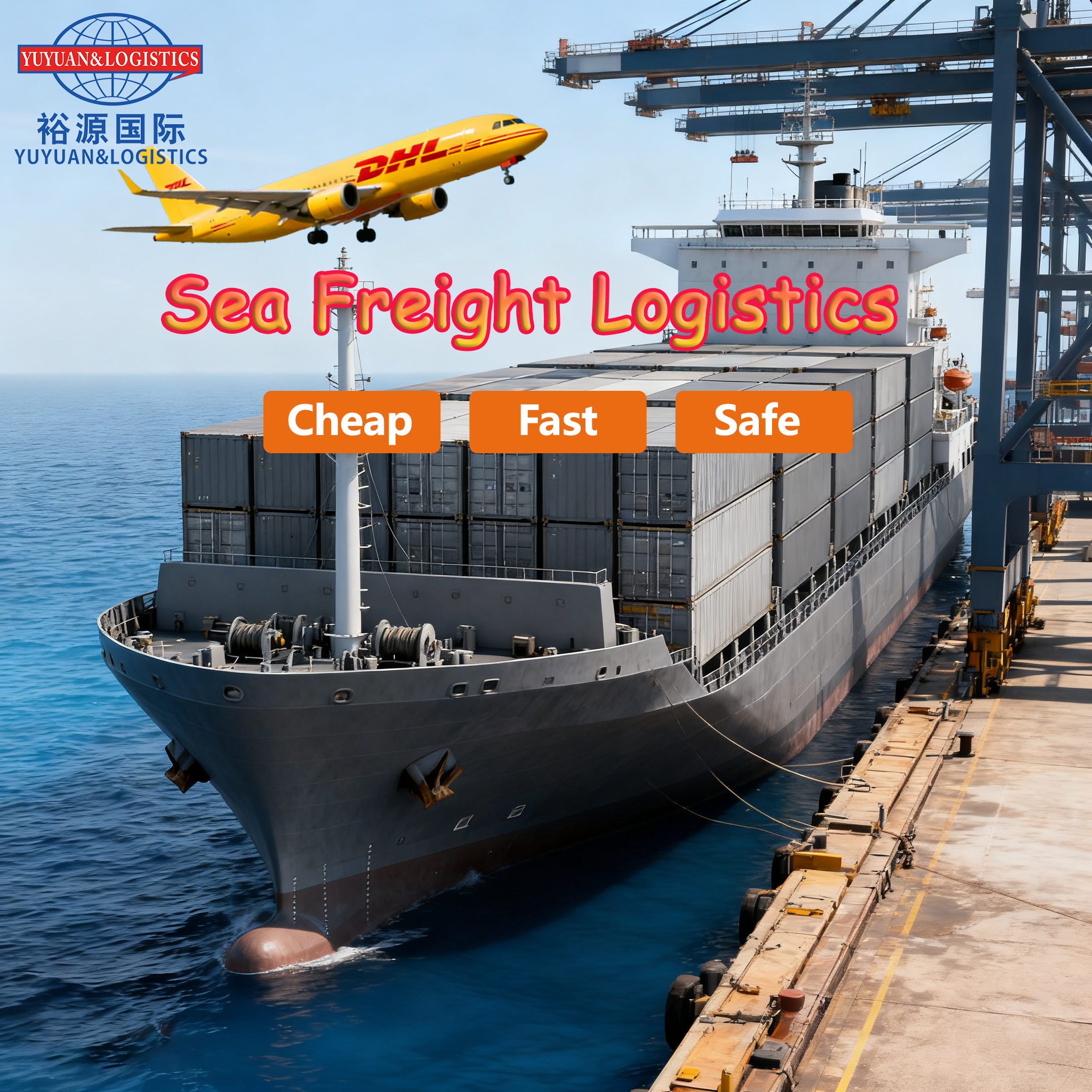
Shipping by sea is really what keeps international trade going, connecting around 150 countries along coastlines using those standard containers we all recognize. When companies need to move large amounts of raw stuff or ready-made products between continents, they rely on ships for this massive job. Take a look at how it works in practice: Asian factories making electronics get their needed minerals from Africa, then ship those gadgets out to customers in Europe. The whole system shows just how connected our world has become through these maritime highways that tie together different parts of the globe's manufacturing cycle.
Comparative Advantages of Sea Freight Versus Air and Land in Cross-Border Logistics
| Factor | Sea Freight | Air Freight | Land Freight |
|---|---|---|---|
| Cost per ton-mile | $0.05 | $1.50 | $0.18 |
| Max payload capacity | 20,000 TEUs | 100 tons | 25 tons |
| Carbon emissions | 10g/ton-mile | 500g/ton-mile | 60g/ton-mile |
Data: International Transport Forum 2024
Ocean shipping offers a 97% cost advantage over air freight for non-urgent cargo, making it essential for commoditized goods. Its 40:1 payload capacity ratio compared to trucks explains its dominance in bulk commodity movements, from grains to automotive parts.
Data Insight: Sea Freight Accounts for Over 80% of Global Trade by Volume
Despite representing only 35% of global trade value, maritime logistics handled 11.5 billion tons of cargo in 2023—equivalent to moving 1.5 tons for every person on Earth (Statista 2024). This volume leadership is driven by three key factors:
- Bulk transport capabilities for energy resources like oil and LNG
- Containerized systems that enable modular, scalable global trade
- Port infrastructure designed to support megaships carrying up to 24,000 containers
Industry Paradox: Lower Speed but Higher Reliability in Ocean Freight Rates and Cost Management
While air transport is 20 times faster, sea freight achieves 89% schedule reliability thanks to fixed shipping lanes and established terminal operations (Drewry 2024). This predictability supports:
- Accurate inventory planning within 4–6 week transit windows
- Stable freight rates via quarterly service contracts
- Reduced cost volatility, with fuel efficiency improvements cutting expenses by 15% since 2020
The industry’s gradual speed optimization—from 18.2 knots in 2010 to 19.4 knots in 2024—balances delivery timelines with fuel economy, enhancing overall supply chain stability.
Overcoming Border Delays with Reliable Sea Freight Operations
Common causes of border crossing bottlenecks in cross-border freight
Border delays in sea freight often stem from documentation errors, port congestion, and infrastructure limitations. Incomplete or inaccurate customs paperwork frequently triggers extended inspections. Major ports face overcrowding during peak seasons, while outdated facilities at key hubs struggle to manage modern container volumes efficiently.
Case study: Mitigating port congestion through strategic scheduling in Asian-European corridors
In the Asia-Europe corridor, operators reduced congestion at major ports like Rotterdam and Singapore by coordinating vessel arrivals with port capacity. Staggered docking schedules and off-peak unloading windows maintained consistent delivery timelines despite seasonal volume surges.
Trend: Digital pre-clearance systems reducing customs and compliance friction
Digital platforms now allow shippers to submit customs documentation electronically before arrival. Real-time data sharing between carriers and port authorities streamlines verification, significantly reducing clearance times and administrative bottlenecks.
Ensuring Customs Compliance in Cross-Border Sea Logistics
Key Regulatory Challenges Impacting Sea Freight Shipment Timelines
Getting customs compliance right continues to be a big headache for many businesses. The problem stems from all sorts of regulatory inconsistencies across borders, which according to WTO data from 2023, causes around 30-35% of international shipping delays. Common troubles include things like mislabeled goods, missing paperwork showing where products actually came from, and those ever changing tariff rates that seem to shift whenever someone isn't looking. Even small mistakes on commercial invoices can hold up clearance for anywhere between five to seven workdays, something that really messes with companies relying on just-in-time delivery systems. And now there's this whole new layer of complexity too. Sustainability rules such as the European Union's Carbon Border Adjustment Mechanism demand extensive emission reports, making life even harder for people trying to get goods across borders legally and efficiently.
The Role of Freight Forwarders in Ensuring International Compliance
Freight forwarders really make a difference when it comes to these kinds of problems because they keep up with all those complicated trade agreements across more than 150 countries while working closely with local customs people who know what's going on at the border. The best ones actually check everything four times a year through their compliance checks, which cuts down on inspections by about two thirds compared to companies trying to handle this stuff themselves according to some research from the World Bank last year. What matters most though is how they deal with those tricky items that have both civilian and military applications plus figure out ways to save money on duties through various free trade deals. This kind of knowledge keeps cargo moving smoothly without getting stuck in customs limbo or facing unexpected costs that eat into profit margins.
Enhancing Visibility and Security in Sea Freight Shipments
Real-time shipment visibility as a cornerstone of cross-border logistics transparency
Sea freight today depends heavily on real time tracking to keep tabs on where stuff actually is throughout the whole shipping process. Companies that invest in good visibility tech tend to see around 30 percent fewer unexpected holdups because problems show up earlier before they become major headaches. The monitoring systems track not just where containers are going but also check temperatures inside and whether anyone mishandles them during transit something absolutely critical for things like fresh produce or expensive electronics. Then there's geofencing technology which basically acts as digital boundaries around certain areas so ships trigger warnings if they start getting too close to busy ports or wander off course somehow.
Impact of poor tracking on delivery reliability and customer trust
Limited visibility increases supply chain risks, with 67% of businesses reporting lost customer trust due to inadequate tracking. Poor monitoring leads to missed production deadlines and inventory shortages, especially in just-in-time models. According to a 2024 logistics survey, companies without robust tracking incur 18% higher demurrage fees than those with full visibility.
Technology trend: IoT and blockchain enabling accurate ETAs and coordination
IoT-enabled smart containers provide real-time insights into cargo integrity, detecting moisture or temperature changes during transit. Blockchain platforms streamline documentation, reducing customs clearance times by 40% in pilot programs through secure, immutable bill-of-lading records. Combined, these technologies enable predictive ETAs with 92% accuracy by analyzing historical performance against current voyage conditions.
Controversy analysis: Data ownership vs. transparency in shared logistics platforms
While collaborative platforms improve coordination among carriers, ports, and consignees, disputes over data ownership persist. A 2023 maritime IT study found 58% of logistics providers withhold key tracking metrics due to competitive concerns. Emerging data escrow solutions aim to resolve this by granting conditional access to analytics without transferring ownership.
Managing Ocean Freight Costs and Building Supply Chain Resilience
Factors Influencing Ocean Freight Rates and Effective Cost Management Strategies
Fuel costs represent 50–60% of sea freight operating expenses, with geopolitical tensions and port congestion contributing to volatility. Carriers using real-time bunker price tracking reduced fuel expenditure by 18% through optimized routing (2023 logistics study). Other significant cost drivers include:
- Global container imbalance charges ($300–$900 per TEU on major trade lanes)
- Canal transit fees rising 6–9% annually since 2021
- Labor costs increasing 23% at key Asian ports following 2022 union negotiations
Impact of Tariffs on Cross-Border Shipping and Mitigation Tactics
Recent trade policy shifts have prompted 37% of shippers to restructure their supply networks, with 64% prioritizing utilization of free trade agreements (FTAs). The US-China tariff conflict highlighted how HS code misclassification can inflate landed costs by 25%—a risk now mitigated by automated classification tools.
Strategy: Long-Term Contracts and Rate Hedging to Stabilize Sea Freight Costs
Forward contracts covering 65–80% of capacity needs offer predictable baseline rates, while spot market access preserves flexibility. Leading carriers now offer rate cap agreements that lock in maximum charges for 12–24 months—a hybrid model that reduced cost spikes by 42% in 2023 pilot programs.
Resilience Planning: Diversifying Ports During Geopolitical Disruptions
During the 2022 Shanghai lockdowns, companies using secondary ports in Vietnam and Malaysia achieved 87% on-time delivery, compared to 54% for those reliant on a single port. A balanced strategy combining:
| Primary Ports | Secondary Ports | Crisis Capacity |
|---|---|---|
| 60% volume | 30% volume | 10% volume |
reduces dependency while preserving operational efficiency.
Future Trend: AI-Driven Risk Forecasting for Supply Chain Reliability
Machine learning models now predict port congestion 14 days in advance with 89% accuracy by analyzing 53 variables—including labor negotiations and regional weather patterns. Early adopters using predictive route optimization reduced late arrivals by 38% in Q1 2024 compared to traditional planning methods.
FAQ
Why is sea freight so crucial for global supply chains?
Sea freight is vital because it facilitates the movement of large quantities of goods, such as raw materials and finished products, across continents. It supports international trade in over 150 countries, making it an essential component of the global economy.
What are the main advantages of sea freight compared to air and land freight?
Sea freight offers lower costs per ton-mile, can handle larger payload capacities, and has lower carbon emissions compared to air and land freight, making it ideal for bulk commodity transport.
How does technology enhance visibility and security in sea freight shipments?
Technologies like real-time tracking, IoT, and blockchain offer improved shipment visibility, allowing businesses to monitor cargo integrity and streamline documentation, thereby reducing delays and enhancing transparency.
How do geopolitical tensions and tariffs affect ocean freight rates?
Geopolitical tensions and tariffs can increase ocean freight costs due to fuel price volatility and misclassification risks, prompting shippers to utilize free trade agreements and automated tools to mitigate these challenges.
Table of Contents
-
The Strategic Importance of Sea Freight in Global Supply Chains
- How Sea Freight Supports Global Supply Chain Interconnectivity
- Comparative Advantages of Sea Freight Versus Air and Land in Cross-Border Logistics
- Data Insight: Sea Freight Accounts for Over 80% of Global Trade by Volume
- Industry Paradox: Lower Speed but Higher Reliability in Ocean Freight Rates and Cost Management
- Overcoming Border Delays with Reliable Sea Freight Operations
- Ensuring Customs Compliance in Cross-Border Sea Logistics
-
Enhancing Visibility and Security in Sea Freight Shipments
- Real-time shipment visibility as a cornerstone of cross-border logistics transparency
- Impact of poor tracking on delivery reliability and customer trust
- Technology trend: IoT and blockchain enabling accurate ETAs and coordination
- Controversy analysis: Data ownership vs. transparency in shared logistics platforms
-
Managing Ocean Freight Costs and Building Supply Chain Resilience
- Factors Influencing Ocean Freight Rates and Effective Cost Management Strategies
- Impact of Tariffs on Cross-Border Shipping and Mitigation Tactics
- Strategy: Long-Term Contracts and Rate Hedging to Stabilize Sea Freight Costs
- Resilience Planning: Diversifying Ports During Geopolitical Disruptions
- Future Trend: AI-Driven Risk Forecasting for Supply Chain Reliability
- FAQ