 EN
EN

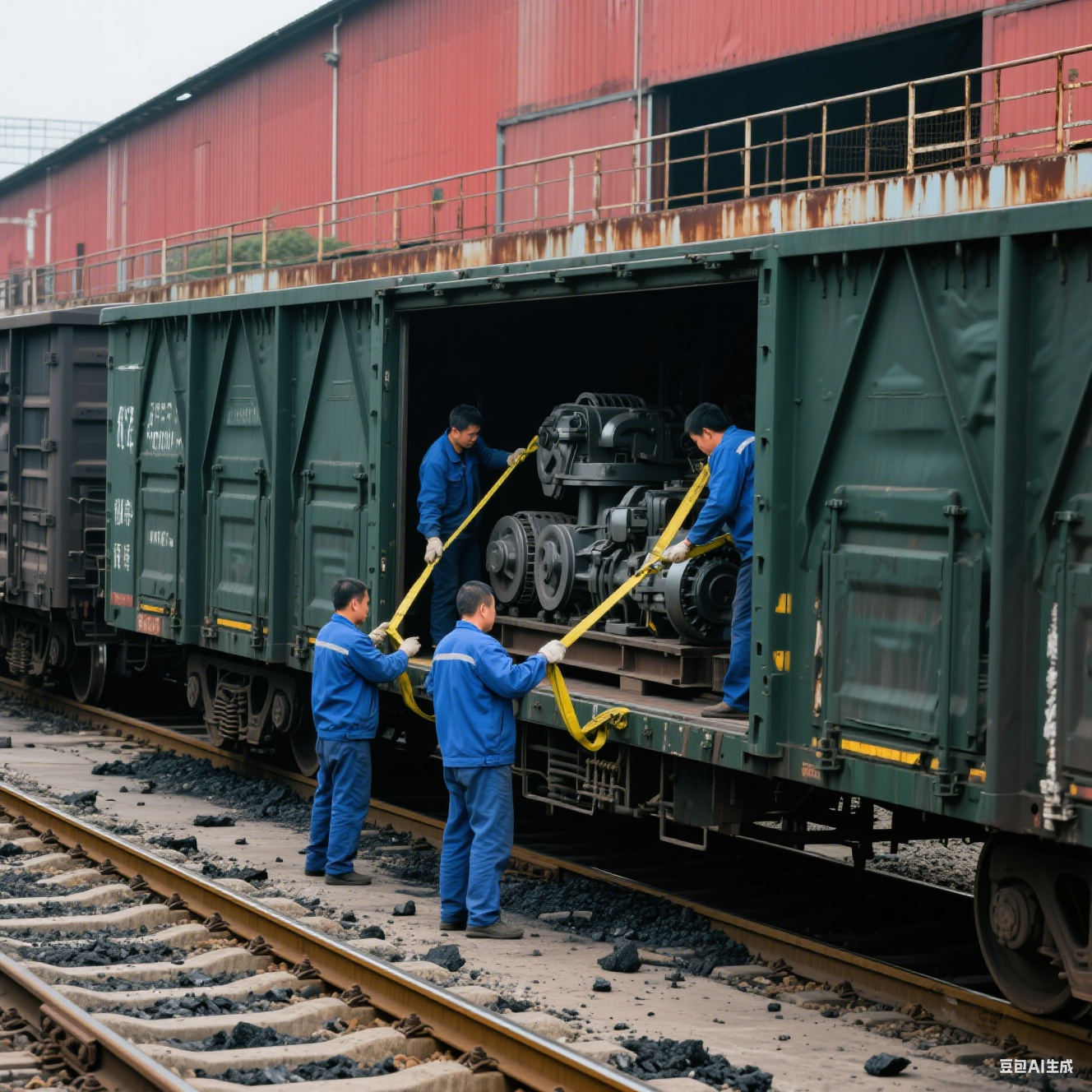
Why Railway Freight Is the Backbone of Low-Carbon Logistics
Carbon intensity comparison: railway freight vs. road and air freight
When it comes to moving freight around, railroads actually produce about three quarters less greenhouse gas compared to trucks on the road, and way less pollution than flying cargo in planes too. Think about this: one big freight train can do what would otherwise take around fifty two separate trucks, which means using sixty percent less energy per ton and taking pressure off crowded roads as well. The math gets even better when looking at how far things get moved on rail versus road. Railways need only about a gallon of diesel to haul a ton of stuff almost five hundred miles. That kind of fuel economy simply isn't possible with any type of road transportation system we have today. Considering that supply chain operations account for close to ten percent of all carbon dioxide emissions globally, there's really no better short term fix for making shipping greener than moving those long distance shipments from busy highways over to the rails instead.
Energy efficiency and modal shift potential in global supply chains
When trains run on steel tracks, they actually move goods much more efficiently than trucks do on roads. This efficiency translates into real environmental benefits that can be measured and tracked over time. Imagine moving only 10 percent of those big truckloads across country to rail instead. That simple shift would cut down on carbon emissions by about 15 million metric tons every year. With online shopping growing so fast these days, there's just no stopping the need for massive freight transport across continents. Rail systems become really important here, particularly when connected to green energy powered transfer points between different modes of transport. What we're talking about isn't just making small improvements either. We're looking at fundamental changes based on what has worked for railways over many years. The International Union of Railways and the International Energy Agency have both studied this extensively and their findings back up what experienced rail operators already know works best.
Decarbonizing Railway Freight: Technology and Infrastructure Readiness
Battery-electric and hydrogen locomotives: Deployment timelines and operational constraints
Electric and hydrogen powered trains are getting closer to being commercially viable, though progress varies across different regions. Battery operated locomotives generally work best for shorter trips within about 250 kilometers because of limitations in how much energy they can store and the need for charging stations along the way. While hydrogen provides longer range capabilities, there are still major hurdles to overcome regarding the availability of clean hydrogen fuel and storing it safely onboard. Companies like Siemens Mobility and Progress Rail estimate widespread adoption might happen sometime between 2030 and 2040, assuming battery prices continue dropping and production of hydrogen generating equipment scales up significantly. There are plenty of operational challenges too. The time needed to recharge batteries or fill hydrogen tanks complicates train schedules. Heavier batteries also cut down on cargo space by roughly 15 to 20 percent. Performance issues in cold weather remain another problem. All these factors mean rail operators need to carefully consider specific routes when planning transitions away from traditional diesel engines. That explains why many railroads still rely heavily on diesel electric locomotives for transporting goods over long distances where weight matters most.
Renewable-powered yards and smart grid integration for zero-emission operations
The old rail yards we used to think of as just places for trains to park are turning into mini power stations these days. Many have installed those big solar canopies over tracks and some even put up little wind turbines around the area. These systems actually handle the electricity needs for moving trains around within the yard and charging locomotives when they stop at terminals. And let's not forget about all those batteries sitting there ready to absorb extra power during peak times or release it when needed most. One company in Europe really made waves by getting their rail yard running on its own energy about 90% of the time thanks to solar panels right on site plus some clever ways of managing stored energy. When smart grids get integrated properly, they open up several important possibilities for rail operators looking to cut costs and reduce their environmental impact.
- Predictive energy matching, where AI aligns locomotive charging windows with forecasted solar/wind output;
- Regenerative braking recovery, capturing 15–20% of kinetic energy during deceleration for reuse in yard operations;
- Microgrid resilience, allowing critical functions to continue during grid outages through islanding capability.
Widespread adoption hinges on standardized charging interfaces and updated regulatory frameworks that permit rail operators to trade surplus renewable energy with utilities—turning infrastructure into an active participant in the clean energy transition.
Scaling Impact: Intermodal Integration and Operational Efficiency
Optimizing road-rail intermodal corridors to maximize carbon reduction per ton-km
The real carbon savings come not just from using rail tracks, but when different modes work together smartly. Rail makes sense for those long haul trips where it cuts emissions by about 75% compared to other options. Trucks handle the tricky first and last mile parts where flexibility matters most. When these systems connect properly through intermodal corridors, both the environment and business bottom line get better results. Modern software helps coordinate everything better too. These platforms make sure transfers happen smoothly, reduce waiting times at terminals, and keep cargo moving instead of sitting around empty. Studies done by the International Union of Railways show that good coordination between roads and rails can slash emissions anywhere from half to almost three quarters compared to shipping everything by truck alone. And with real time tracking systems plus maintenance that predicts problems before they happen, operations run smoother overall. Less traffic jams mean fewer wasted hours and lower fuel consumption across the whole supply chain.
Enabling Conditions: Policy, Investment, and Net-Zero Supply Chain Alignment
To get the most out of rail as a low carbon solution, we need everyone on board from government policies to business strategies. When places implement carbon pricing and push for mode shifts, like what the EU did with their Sustainable and Smart Mobility Strategy, it basically levels the playing field between rail and road transport. Money matters too. Tax breaks for zero emission trains and funding for upgrading terminals where different transportation modes meet help businesses jump over those big initial costs. What really counts is where the money goes. Public funds should focus on running trains powered by renewables, while private dollars need to go toward creating better connections between different transport systems so goods can move without getting stuck at transfer points. Companies are starting to take notice too. Big names such as IKEA and BMW have changed how they buy things, insisting on using rail for long distance shipping within countries to hit their environmental goals. All these factors coming together form something pretty powerful. Rail isn't just becoming greener; it's turning into the backbone of smart supply chains that will stand the test of time.
FAQ Section
Why is railway freight considered low-carbon?
Railway freight is considered low-carbon because it produces significantly less greenhouse gas emissions compared to road and air freight. Rail transport is more energy-efficient and can move larger quantities of goods over long distances using less fuel.
What are the environmental benefits of shifting freight from road to rail?
Shifting freight from road to rail reduces carbon emissions, alleviates road congestion, and lowers the energy consumption per ton. This shift can substantially decrease global carbon footprints and promote sustainability in supply chain operations.
What technologies are being explored to decarbonize railway freight?
Technologies such as battery-electric and hydrogen locomotives are being explored to decarbonize railway freight. Renewable-powered yards and smart grid integration also play a role in enhancing the efficiency of rail operations.
How do intermodal corridors enhance operational efficiency?
Intermodal corridors improve operational efficiency by integrating different transportation modes, such as rail and road, to streamline cargo transfers, reduce transit times, and optimize shipping routes.
What policies support the growth of railway freight as a low-carbon logistics solution?
Policies like carbon pricing and investment in rail infrastructure support the growth of railway freight as a low-carbon logistics solution. Tax incentives and funding for zero-emission trains also encourage businesses to transition to rail for freight transport.
Table of Contents
- Why Railway Freight Is the Backbone of Low-Carbon Logistics
- Decarbonizing Railway Freight: Technology and Infrastructure Readiness
- Scaling Impact: Intermodal Integration and Operational Efficiency
- Enabling Conditions: Policy, Investment, and Net-Zero Supply Chain Alignment
-
FAQ Section
- Why is railway freight considered low-carbon?
- What are the environmental benefits of shifting freight from road to rail?
- What technologies are being explored to decarbonize railway freight?
- How do intermodal corridors enhance operational efficiency?
- What policies support the growth of railway freight as a low-carbon logistics solution?