 EN
EN
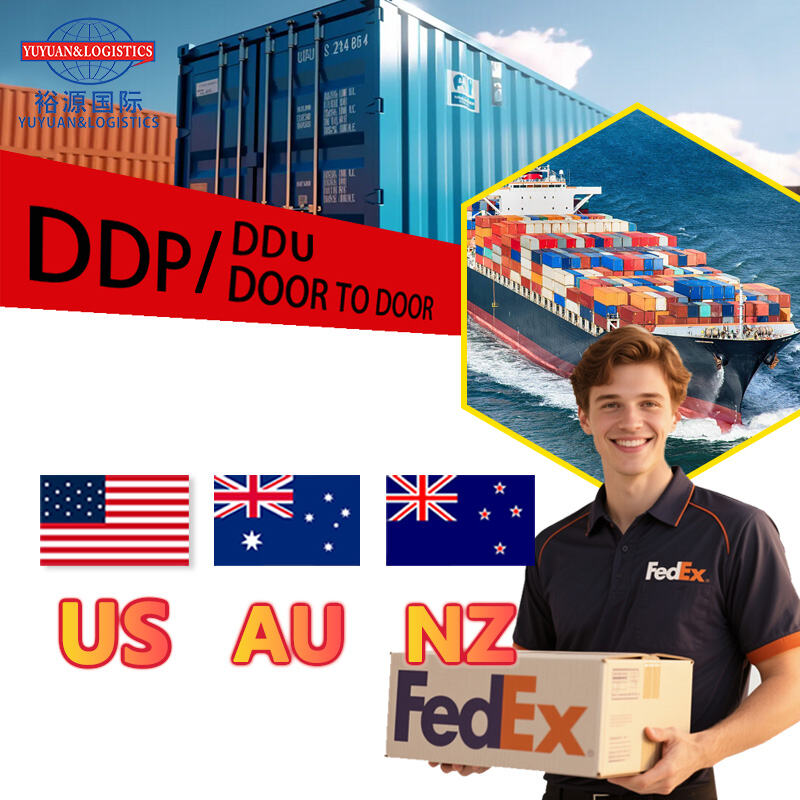
What Is Door to Door Shipping and How It Powers Global Trade
Definition of door-to-door shipping and its core components
Door-to-door shipping is an end-to-end logistics solution that manages cargo transportation from the seller's origin address to the buyer's final destination. Core components include:
- Pickup coordination: Collection directly from manufacturing facilities or warehouses.
- Multimodal transport: Integration of road, sea, or air freight based on shipment priorities.
- Customs management: Automated clearance processes for international shipments.
-
Last-mile delivery: Final handoff to the recipient via local carriers.
This model streamlines supply chain operations, improving delivery predictability by 23% compared to fragmented logistics systems (World Bank 2023).
How door-to-door shipping differs from traditional freight models
Old school freight methods force companies to work with several different providers at once truckers, customs agents, local delivery folks and so on which creates problems when something goes wrong because no one person is really responsible. Door to door shipping changes this whole game by putting everything under a single contract. According to Ponemon research from 2023, this approach cuts down on coordination headaches by about 40%. Shippers get real time updates throughout every step of transportation thanks to integrated digital systems. When things break down or shipments get delayed, there's only one party to hold accountable. Port to port arrangements are completely different since responsibilities keep shifting hands between various companies along the way.
The role of door-to-door shipping in global & cross-border transport
Door to door shipping makes things much easier for small businesses wanting to sell internationally because it handles all those complicated compliance issues and tariffs automatically. According to recent data from UNCTAD, around 25% of international shipments already use this approach these days. Why? Well, it helps companies deal with tricky customs paperwork ahead of time, gets perishables delivered before they spoil, and saves headaches for smaller firms without dedicated logistics staff. The whole process gives businesses clear tracking information from start to finish, which explains why so many companies rely on this system when expanding overseas operations.
Key Advantages of Door to Door Shipping for B2B Supply Chains
Streamlined Logistics: Time and Cost Savings Through Integrated Services
When companies switch to door to door shipping, they basically cut out all the back and forth between different carriers because one company handles everything from moving goods across borders to getting them into customers' hands. Supply chain experts say businesses typically save around 18 to 24 percent on costs when they consolidate payments and reduce how many times packages get handled during transit. The streamlined process also means less paperwork duplication for everyone involved. Most shippers we talked to mentioned their orders moved through the system about 70 something percent faster than before when they were dealing with separate companies at each stage of delivery.
Enhanced Tracking and Security in International Door to Door Shipping
Real-time shipment monitoring through unified platforms reduces cargo diversion risks by 41% in cross-border trade (Global Trade Review 2023). Providers deploy tamper-evident seals and GPS-enabled containers, ensuring 97.3% of high-value shipments reach their destinations without integrity breaches when using managed door-to-door services.
Convenience and Operational Efficiency for SMEs in Cross-Border Trade
Smaller enterprises benefit significantly by avoiding the need for dedicated logistics teams—68% of SMEs using door-to-door services reallocated over 220 annual staff hours to core business functions. Standardized documentation workflows also help companies with fewer than five international shipments per month avoid customs filing errors responsible for 33% of border delays.
Reduced Transit Delays: Data Shows 30% Improvement With Managed Services
The World Bank's 2023 Logistics Performance Index confirms businesses using full door-to-door solutions experience 30% fewer transit delays than those managing freight internally. This advantage stems from providers' established corridor partnerships; for example, key Asian export routes to Europe averaged 29.8 days in transit versus 41 days for self-managed shipments last year.
Incoterms and Responsibility Management in Door to Door Logistics
Incoterms for Door-to-Door Shipping: Understanding DAP and DDP
Incoterms define liability, costs, and risk allocation between buyers and sellers in international transactions. For door to door shipping, DAP (Delivered at Place) and DDP (Delivered Duty Paid) are most relevant:
- DAP: The seller manages transport to the buyer's named location but excludes import duties and taxes. Risk transfers to the buyer upon delivery.
- DDP: The seller assumes full responsibility, including delivery, customs clearance, tariffs, and taxes, minimizing buyer-side administrative burdens.
Impact of Incoterms on Risk Allocation and Delivery Responsibilities
The choice between DAP and DDP terms has a real impact on how resilient a supply chain remains during international shipping. When companies go with DAP, they're basically passing the customs paperwork headaches onto their buyers who then need someone familiar with local regulations. On the flip side, DDP makes life easier for people receiving goods since there are fewer delays at borders, but it means sellers have to cover those extra costs up front and take on more responsibility if anything goes wrong. According to an ICC report from last year, almost two thirds of all problems in cross border transactions came down to misunderstandings about what these trade terms actually mean. That's why getting clear definitions written into contracts matters so much for avoiding costly mistakes later on.
DAP vs DDP: Key Differences in Customs Obligations and Cross-Border Compliance
| Aspect | DAP | DDP |
|---|---|---|
| Customs Duties | Buyer's responsibility | Seller covers all import fees |
| Risk Transfer | At destination site | After customs clearance |
| Cost Efficiency | Lower seller costs, higher buyer risks | Higher seller costs, streamlined delivery |
| Best For | Buyers with local expertise | Sellers prioritizing client convenience |
Businesses using DDP report 23% fewer customs delays compared to DAP arrangements (Global Trade Review, 2023), highlighting its value in compliance-heavy corridors.
Customs Clearance and End-to-End Management in Cross-Border Shipments
Navigating Customs Clearance: Common Challenges and Automated Solutions
Getting modern door to door shipping through customs remains a major headache for many companies. According to WTO data from last year, nearly seven out of ten businesses face delays because their paperwork is wrong or they got the HS codes mixed up. Small and medium enterprises struggle particularly hard with all this since most don't have someone on staff who knows the ins and outs of international shipping rules. Things get even trickier when duty rates keep changing, certain items suddenly become restricted, or important certificates go missing somewhere in the process. That's why more companies are turning to automated systems these days. These platforms combine AI that sorts products correctly with blockchain tech that checks documents automatically. Early adopters say this cuts down mistakes made by humans by around 40 percent, which means faster processing times for urgent shipments heading overseas.
The Role of Freight Forwarders in Seamless Door-to-Door Shipping
Freight forwarders help fill those compliance gaps when it comes to handling all the complicated paperwork, figuring out tariffs, and talking directly with customs officials in over 150 different countries around the world. A recent study from Freightos in 2024 showed something interesting too: companies that work with these forwarders instead of doing everything themselves get their goods cleared through customs about two days quicker. What makes this even more valuable is how freight forwarders connect with door to door service providers. This connection means everything gets moved smoothly from one place to another, stored properly when needed, and finally delivered right on time. For things like fresh produce or parts needed exactly when manufacturing starts up, this kind of coordination really matters a lot.
End-to-End Freight Management as a Driver of Delivery Optimization
Freight management systems that bring everything together cut down on those annoying handoffs between departments by around 30%, according to Gartner's latest research from 2024. What makes these platforms so useful? They give shipping companies one place to track where their goods are, see when duties need to be paid, and monitor how well carriers are performing. This lets them make quick decisions to send cargo through less crowded ports when needed. When companies handle all their compliance requirements and contracts with carriers in one spot, they end up saving about 22% on what it actually costs to get products across borders. That kind of savings matters a lot for online businesses selling internationally since customers tend to stick around only if deliveries arrive when promised.
Real-World Applications of Door to Door Shipping in B2B and E-Commerce
Use Cases: E-Commerce and B2B Cross-Border Shipments via Door-to-Door Models
Door-to-door shipping fills some pretty big holes in logistics for businesses selling to other businesses as well as online stores. When companies need to ship heavy machinery or industrial gear overseas, they tend to go for all-in-one shipping solutions instead of passing packages between multiple carriers. According to a study from Ponemon in 2023, this approach cuts down on lost or damaged goods by around 22%. Online retailers have caught onto this too. Most shoppers don't even realize it happens behind the scenes, but about two thirds of products bought online across borders are getting delivered straight to customers' doors thanks to these managed shipping networks.
Case Study: Scaling a European DTC Brand into North America Using DDP-Enabled Shipping
When a European clothing brand wanted to grow faster in North America, they switched to using Delivered Duty Paid shipping instead of their old methods. They handed over all the complicated stuff like clearing goods through customs and getting products to customers' doors to just one logistics company. This move cut down on those frustrating border holdups by almost 40% and got packages delivered about 11 days sooner than before. The biggest win? No more unexpected charges showing up on customer bills. As a result, orders from other countries jumped by nearly 30% in just under half a year, which was exactly what the company needed to boost their presence across the pond.
Trend: Rising Adoption of Door-to-Door Solutions in Emerging Markets
The door-to-door shipping market has grown quite a bit in Southeast Asia and Africa, with a 41 percent jump compared to last year. Small and medium enterprises are getting more involved in international trade, which explains this growth. Both Vietnam and Kenya have started focusing on better shipping connections between different countries. Their governments want to make customs procedures digital, something that actually works. At big ports, ships used to wait around for 14 days before unloading cargo, but now it takes about five days instead according to World Bank research from 2024. For smaller companies especially those with fewer than 500 workers these new shipping arrangements mean they don't have to deal with all the separate local transport options anymore. The result? Cross border exporting becomes roughly 19% cheaper when using these improved methods.
FAQs on Door to Door Shipping
What is the main benefit of door-to-door shipping compared to traditional methods?
The main benefit of door-to-door shipping is that it simplifies logistics by putting everything under one contract. This approach reduces coordination headaches and provides real-time updates, making the process more accountable and streamlined.
How does door-to-door shipping improve international trade for SMEs?
Door-to-door shipping improves international trade for SMEs by handling compliance issues and tariffs automatically. It saves small businesses from the complexities of customs paperwork and offers clear tracking information, allowing them to focus on core business functions.
What are DAP and DDP in door-to-door shipping?
DAP (Delivered at Place) means the seller manages transport to the buyer's location but excludes import duties and taxes. DDP (Delivered Duty Paid) means the seller assumes full responsibility, including delivery, customs clearance, tariffs, and taxes, minimizing buyer-side administrative burdens.
Table of Contents
- What Is Door to Door Shipping and How It Powers Global Trade
- Key Advantages of Door to Door Shipping for B2B Supply Chains
- Incoterms and Responsibility Management in Door to Door Logistics
- Customs Clearance and End-to-End Management in Cross-Border Shipments
- Real-World Applications of Door to Door Shipping in B2B and E-Commerce
- FAQs on Door to Door Shipping