 EN
EN
Integrated Multi-Modal Transport for Seamless Global Shipping
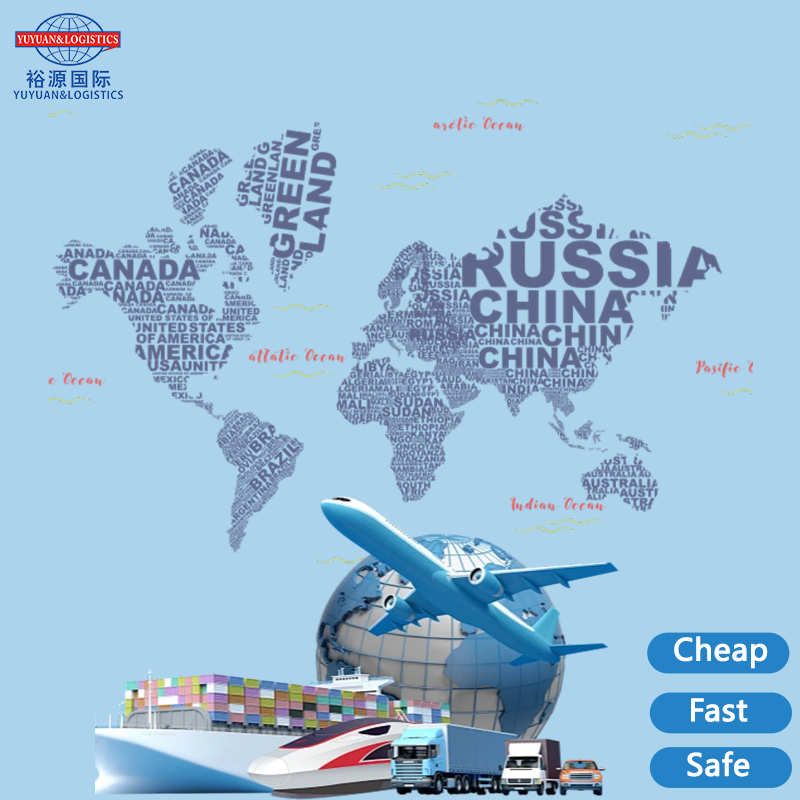
When different transport methods get combined rail, road, sea and air we end up with something pretty robust for shipping these days. Businesses can handle all sorts of changes in what customers want plus deal better when there are those unpredictable political situations happening around the world. Each type of transport brings its own good points to the table. Trains work great over long distances because they're efficient. Trucks handle that final stretch from warehouse to doorstep really well. Ships move huge amounts of goods at lower costs than most other options. And planes? Well they just beat everything else when time is critical. Companies that mix and match these approaches tend to stay ahead of the game in today's complex global markets.
How Rail, Road, Sea, and Air Networks Enhance Shipping Flexibility
Trains transport large amounts of cargo across countries and produce about 60 percent fewer emissions compared to trucks according to World Bank data from 2023. Meanwhile roads link seaports with places further inland. The shipping industry carries around 80% of all goods traded globally as reported by UNCTAD in their 2023 study, whereas planes get time critical items delivered fast usually within just a few days. When different transportation methods work together they help avoid problems. For instance when fresh products are stuck on late arriving vessels switching them over to airplanes cuts down on money lost somewhere between 18 to maybe even 22 percent depending on circumstances.
Optimizing Intermodal Routes: The Asia-Europe Middle Corridor Case Study
The Middle Corridor connects China with Europe through Kazakhstan, the Caspian Sea region, and Turkey. It avoids the crowded Russian pathways and can cut down travel time by around 40 percent according to Asian Development Bank data from 2023. What makes this corridor special is that it combines different transportation methods effectively. Trains handle most of the long distance work between continents, ships move goods across the Caspian Sea, while trucks take care of getting products to their final destinations. This mix of transport options helps eliminate traffic jams at key points along the way and makes the whole supply chain system much stronger against disruptions.
Addressing Port Congestion and Fuel Efficiency Through Coordinated Logistics
Centralized logistics planning reduces idle port time by 30% (OECD 2023) through real-time rerouting. Diverting vessels to underutilized ports and prioritizing rail over trucking for inland legs lowers fuel consumption by 15% per shipment. Automated systems optimize load distribution across transport modes, reducing carbon emissions while maintaining delivery reliability.
Smart Port Infrastructure and Automation in Modern Shipping
The Role of Automated Terminals in Reducing Container Dwell Time
Automated terminals use robotics and IoT sensors to cut container processing time by up to 40%, boosting productivity (Ponemon 2023). Automated stacking cranes handle 30-35 moves per hour-double the rate of manual operations-and AI-driven algorithms optimize yard space usage. As a result, idle time between vessel unloading and inland transport drops from 6.7 days to under 72 hours in advanced hubs.
Singapore and Rotterdam: Leading Smart Port Innovations with AI and Digital Twins
A leading Asian port uses digital twin simulations to anticipate and resolve congestion, reducing berth delays by 28% (Heikkilä et al. 2022). Meanwhile, a European hub integrates AI-powered traffic prediction with automated quay cranes, achieving 99.8% synchronization between ship arrivals and truck departures. These innovations show how data from IoT devices and blockchain-enabled documentation improve throughput without physical expansion.
Balancing Technological Advancement with Workforce Impact in Port Operations
Automation reduces manual labor needs by 14-18% annually, but smart ports now deploy hybrid teams where AI manages repetitive tasks and workers oversee system optimization. Retraining programs in robotics supervision and predictive maintenance have reduced workforce attrition by 27% in early-adopter regions (Yang et al. 2018). However, the $2.7B average investment in AI-driven infrastructure requires careful ROI assessment against long-term efficiency gains.
Streamlined Customs Clearance and Digital Documentation in International Shipping
Common Causes of Shipping Delays: Inaccurate or Incomplete Documentation
According to the Maritime Efficiency Report for 2023, nearly 4 out of every 10 delays at ports happen because of paperwork problems. Think mismatched cargo descriptions or when required certificates just aren't there. The big papers that matter most - things like commercial invoices and those shipping manifests called bills of lading - need to match exactly what's actually inside the containers and their HS codes too. When something goes wrong with those pesky phytosanitary certs or import licenses, customs officials tend to hold shipments for weeks on end. And this isn't just paperwork hell for companies either. Every extra day waiting at the dock adds between $120 and $740 to demurrage charges per container, which really starts eating into profit margins after a while.
Ensuring Compliance Across Jurisdictions in Container Transportation
The wide range of tariff codes and safety rules across over 190 different customs jurisdictions means companies need flexible documentation approaches. Take for example how the European Union's Import Control System 2 demands cargo declarations at least four hours prior to loading ships traveling between Asia and Europe. Meanwhile American customs authorities want similar information submitted 24 hours ahead of time. According to recent data from the Global Trade Tech Index released last year, most businesses are turning to centralized digital solutions that check around 92 percent of all customs paperwork against what each country actually needs before sending it off. These systems help cut down on rejected shipments significantly.
Digitizing Customs Processes to Accelerate Cross-Border Shipments
Since 2021, automated documentation has cut down on how long it takes to clear goods through customs at big ports, bringing down wait times by around half. Artificial intelligence now looks at more than 120 different pieces of information including shipping documents and proof of where products come from. These systems can spot problems in just 11 seconds flat, something that would take humans nearly five times longer to accomplish manually. Meanwhile, blockchain technology is making waves too. About a third of all electronic air waybills worldwide are handled through these secure platforms. What makes them special? They create records that cannot be altered, which means customs officials rarely need extra documentation during their checks. Most of the time, they simply accept what's already there because nothing gets changed after the fact.
End-to-End Shipping: Integrating Last-Mile Delivery and Port-Adjacent Warehousing
Meeting Rising Demand for Faster Final Delivery in Global Trade
The e-commerce sector grew by 14% year over year according to Digital Commerce 360's 2023 report, which means companies are feeling real pressure to get packages out faster than ever before. Cities have started setting up these urban consolidation hubs where goods get grouped together before heading out, and some places are even testing those self-driving delivery trucks now. In big city areas especially, this approach cuts down on how long it takes things to reach customers by around 18 to 22 hours when compared with old school delivery methods. For shipping companies trying to keep up with what people expect nowadays like getting stuff within two days, these changes make a huge difference. Plus there's an added bonus for the environment too since better route planning means fewer emissions overall.
Connecting Port Logistics with Inland Distribution Hubs for Efficiency
When it comes to getting things moving efficiently through the logistics network, predictive analytics plays a big role in matching what happens at ports with what's needed at regional distribution centers throughout the country. Take those rail connected inland terminals situated around 150 to 300 kilometers away from main coastal ports for instance. According to the latest data from the 2023 Intermodal Transport Review, these setups have actually cut down on truck traffic problems at seaports by about one third. And there's another benefit too. When companies synchronize their inventory tracking in real time, they save money on container handling costs somewhere between $120 and $180 for each unit processed. This kind of visibility lets operators make quick changes to shipping routes when unexpected issues pop up, all while still meeting scheduled delivery dates most of the time.
The Growth of Warehousing Near Major Ports to Reduce Turnaround Time
Construction of warehouses located within 25 kilometers of the world's top twenty ports has seen a significant jump of around 40 percent from 2020 to 2023. This growth is largely due to businesses wanting same day transloading capabilities. When warehouses sit right next to the docks, they can strip containers and do cross docking about 70 percent quicker compared to those further out in the suburbs. The difference adds up too vessel turnaround times get cut down somewhere between 11 and 15 hours, which makes a real impact on shipping schedules. Many of these warehouses near ports are now equipped with automated storage solutions that handle well over 800 pallets every single hour. This kind of capacity proves invaluable when dealing with busy periods and seasonal spikes in demand.
Technology-Driven Shipping Solutions: IoT, AI, and the Future of Global Ports
IoT and Real-Time Tracking for Enhanced Cargo Visibility
IoT sensors monitor container location and environmental conditions such as temperature and humidity. Over 65 million container movements have been tracked globally using blockchain-enabled platforms, allowing stakeholders to proactively address delays. Real-time visibility reduces cargo damage risks by 30% for perishables and pharmaceuticals by triggering alerts when conditions deviate from thresholds.
AI-Powered Systems in Vessel Loading and Freight Handling
When it comes to container stacking on ships, artificial intelligence has really stepped up the game. Smart systems now look at how heavy each container is, where it needs to go, and what keeps the ship balanced properly. This approach has actually cut down mistakes during loading operations at automated ports by around 18%. For maintenance too, things are changing fast. Ports are seeing about 25% fewer unexpected breakdowns these days because predictive systems can spot when equipment might fail before it happens. Take one big port in Europe for instance they've implemented AI tools that plan shipping routes while considering both weather conditions and road traffic congestion. The result? A noticeable drop in fuel usage, somewhere around 15%, which means big savings over time.
FAQ
What is integrated multi-modal transport?
Integrated multi-modal transport refers to the combination of different transportation methods such as rail, road, sea, and air to create a robust and flexible shipping system.
How does multi-modal transport benefit global shipping?
Multi-modal transport enhances shipping flexibility, handles changing customer demands, mitigates political disruptions, and optimizes efficiency using the strengths of each transport mode.
What is the Asia-Europe Middle Corridor?
The Asia-Europe Middle Corridor is a transportation route that connects China with Europe through Kazakhstan, avoiding crowded Russian routes and significantly reducing travel time.
Table of Contents
- Integrated Multi-Modal Transport for Seamless Global Shipping
- Smart Port Infrastructure and Automation in Modern Shipping
- Streamlined Customs Clearance and Digital Documentation in International Shipping
- End-to-End Shipping: Integrating Last-Mile Delivery and Port-Adjacent Warehousing
- Technology-Driven Shipping Solutions: IoT, AI, and the Future of Global Ports
- FAQ