 EN
EN

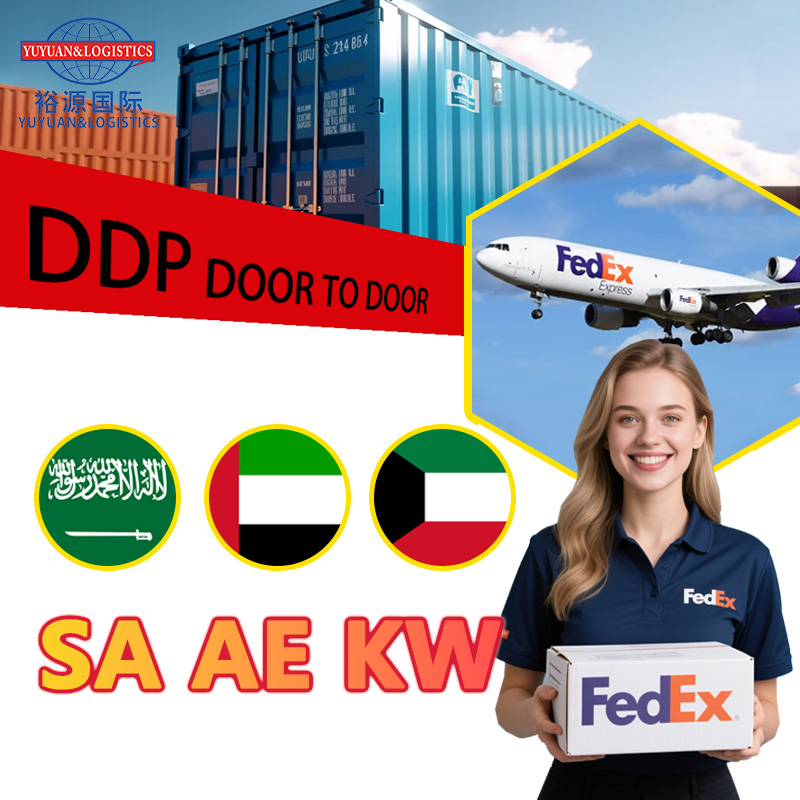
Why Door-to-Door Shipping Is Transforming E-Commerce Fulfillment
Door-to-door shipping is reshaping e-commerce fulfillment by offering a seamless, end-to-end logistics solution that eliminates the friction points of traditional parcel delivery. In an era where 73% of online shoppers say delivery speed directly influences their brand loyalty (E-Commerce Logistics Report 2023), moving goods from seller’s warehouse to customer’s doorstep—without intermediaries—has become a strategic imperative. This model consolidates pickup, transportation, customs clearance, and final delivery into a single service, reducing complexity that often leads to cart abandonment and negative reviews.
It also delivers cost predictability: by bundling all charges—including customs duties and handling fees—into one upfront price, it removes unpleasant surprises that erode trust. AI-driven route optimization and regional carrier integration further enhance speed and reliability, while real-time tracking and proactive notifications transform anxious waiting into a transparent, reassuring experience. As cross-border e-commerce expands, door-to-door shipping enables businesses to meet rising expectations for speed, convenience, and transparency—strengthening loyalty and repeat purchase behavior. Ultimately, this isn’t just a logistical upgrade—it’s a cornerstone of a customer-centric supply chain strategy that drives long-term growth.
How Door-to-Door Shipping Solves the Last-Mile Challenge
Regional Carrier Integration and Consolidated Fulfillment Networks
Door-to-door shipping overcomes last-mile cost and complexity by blending regional carrier networks with strategically placed micro-fulfillment hubs. This shortens delivery routes and reduces reliance on distant distribution centers. A consolidated network can cut per-parcel delivery costs by up to 30% by aggregating shipments and routing them through local hubs before final dispatch. Integrating local carriers—often with specialized urban knowledge—improves first-attempt delivery rates, lowering the expense and carbon impact of redeliveries. This layered approach gives e-commerce brands the flexibility to scale rapidly while delivering reliable same-day or next-day service.
AI-Driven Route Optimization for Same-Day Dispatch
AI-powered route optimization turns door-to-door logistics into a dynamic, same-day capability. Machine learning models process real-time traffic, weather, parcel dimensions, and driver availability to generate the most efficient delivery sequences. This technology reduces fuel consumption by up to 20% and increases stops per hour, according to recent logistics efficiency studies. It predicts delivery windows with 95% accuracy and auto-adjusts routes when delays occur—meeting rising consumer expectations for speed without inflating operational costs. As urban congestion grows, such adaptive engines turn what was once a bottleneck into a competitive advantage.
Technology Enablers Powering Reliable Door-to-Door Shipping
Real-Time Tracking and Proactive Customer Notifications
Internet-of-Things sensors, GPS, and cloud-based visibility platforms enable real-time tracking from warehouse to doorstep. This data powers customer-facing apps with live location maps and accurate estimated delivery times. Proactive alerts via SMS, app, or email notify recipients of delays, customs progress, or final-mile approach—slashing WISMO (Where Is My Order) inquiries by up to 30%, per a 2023 industry survey. For e-commerce sellers, such transparency is a proven loyalty builder: 88% of consumers say delivery updates strongly influence their repeat purchase decisions. Real-time visibility also allows logistics providers to optimize routes on the fly, boosting first-attempt delivery success.
Integrated Logistics Platforms for Cross-Border Door-to-Door Efficiency
Managing cross-border door-to-door shipping manually invites errors and delays. Integrated logistics platforms automate the entire workflow—from generating commercial invoices and certificates of origin to submitting customs declarations. Digital documentation reduces customs clearance time by 40%, per a 2023 cross-border logistics study. These platforms unify data from freight forwarders, ocean carriers, and last-mile providers into a single dashboard, giving shippers end-to-end visibility, exception management tools, and automated invoice reconciliation. For e-commerce brands scaling internationally, this integration eliminates the complexity of coordinating multiple intermediaries—accelerating time-in-transit and making reliable door-to-door delivery both scalable and efficient.
Balancing Speed, Sustainability, and Customer Trust in Door-to-Door Shipping
E-commerce brands face a paradox: 73% of consumers demand fast delivery, yet 58% will choose a slower option if it’s carbon-neutral (2022 logistics sustainability study). Door-to-door shipping reconciles these expectations by consolidating fulfillment and optimizing routes. AI-driven planning can reduce per-delivery emissions by up to 30% while still meeting same-day promises (2023 logistics efficiency report). The same integrated approach bolsters trust: real-time tracking and proactive notifications—now expected by 87% of shoppers (2023 e-commerce experience survey)—create transparency that converts first-time buyers into loyal customers. Eliminating handoffs between multiple carriers—a hallmark of door-to-door service—also lowers the risk of parcel mishandling, a top concern cited by 46% of consumers (2022 consumer logistics perception study). By weaving speed, sustainability, and reliability into a single seamless process, door-to-door shipping evolves from a logistics option into a strategic lever for customer loyalty.
FAQ
What is door-to-door shipping?
Door-to-door shipping is a logistics model that provides end-to-end delivery solutions, handling pickup, transportation, customs clearance, and final delivery to the customer's doorstep.
How does door-to-door shipping improve e-commerce fulfillment?
By consolidating logistics services and providing real-time tracking, cost predictability, and faster delivery, door-to-door shipping enhances customer satisfaction and streamlines operations for e-commerce brands.
What are the key technologies enabling door-to-door shipping?
Technologies like AI-powered route optimization, IoT sensors for real-time tracking, and integrated logistics platforms for cross-border shipping make the process more efficient and reliable.
Does door-to-door shipping support sustainability goals?
Yes, it reduces emissions through route optimization and consolidated networks, balancing speed and environmental responsibility.
How does door-to-door shipping tackle the last-mile challenge?
It integrates regional carrier networks, uses micro-fulfillment hubs, and leverages AI for route optimization, minimizing costs and delays in the last-mile delivery process.