 EN
EN

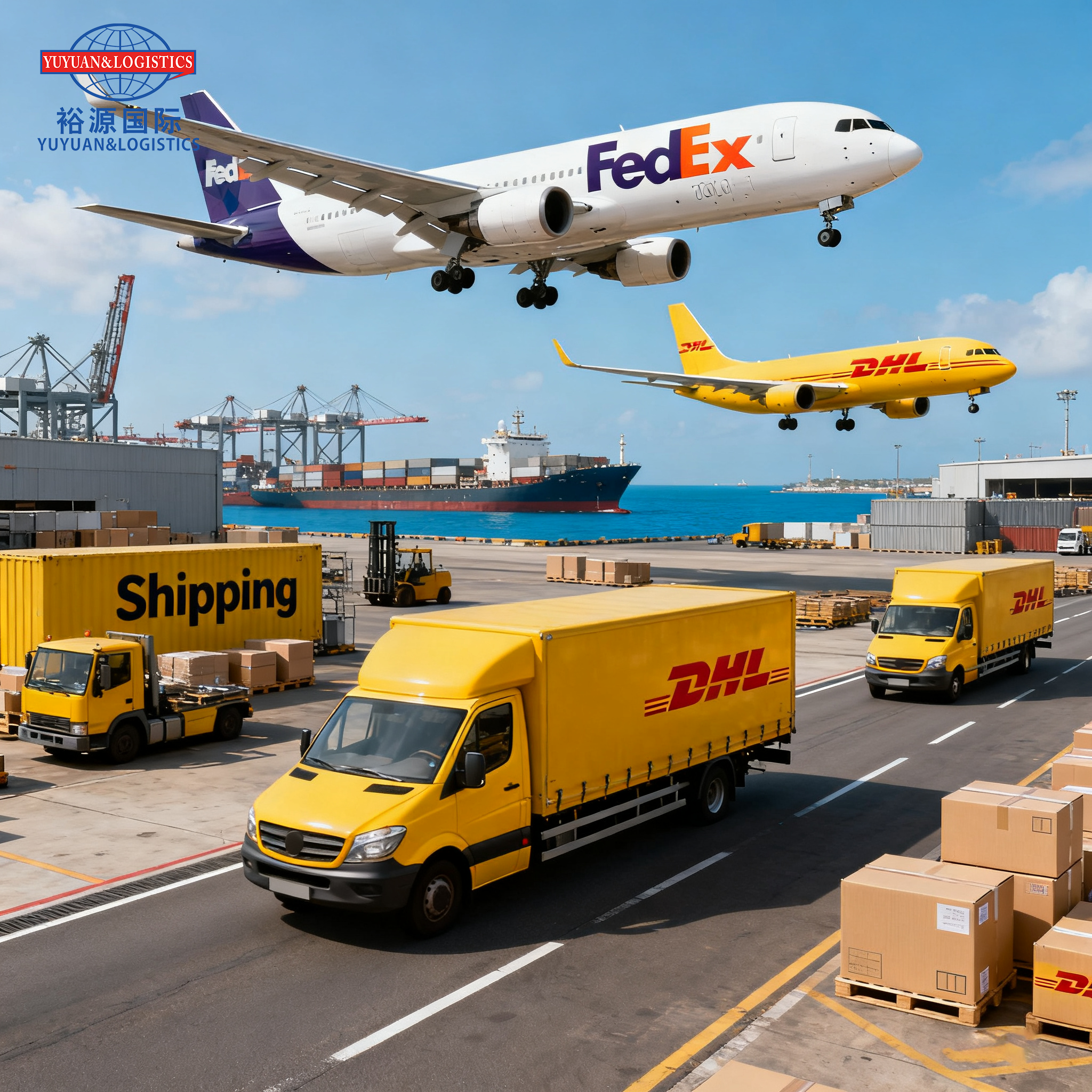
The Strategic Imperative of Logistics Integration
Today's supply chains are dealing with all sorts of complex challenges because markets keep changing and customers want different things every day. When companies integrate their logistics systems - basically combining warehouses and transportation under one roof so to speak - it knocks down those old barriers between managing inventory and moving goods around. What happens next? Real time data flows throughout the whole operation, giving managers clear sight of where everything is at any given moment. This cuts down on delays and gets rid of unnecessary steps in the process. Take warehouse coordination with transport as an example. Companies can avoid running out of stock without having to hold onto too much extra inventory just sitting around collecting dust. According to some recent numbers from CSCMP, these improvements mean orders get fulfilled about 18% quicker and operating costs drop roughly 23%. Plus, when something goes wrong, integrated systems let businesses quickly redirect shipments and adjust resources on the fly. That kind of flexibility matters a lot during unexpected events. Companies that don't adopt this unified approach end up wasting money and falling behind competitors who have figured out how to make their supply chains work smarter rather than harder.
Technology Foundations: WMS, TMS, and AI-Powered Logistics Integration
Real-time synchronization between warehouse execution and transportation planning
When warehouses and transportation teams work together through shared data, it makes a huge difference in how everything runs. The Warehouse Management System handles all the picking and getting items ready for shipping, while the Transportation Management System checks what carriers are available and figures out the best routes at the same time. Getting these systems to talk to each other in real time means loading docks can match up with when trucks actually arrive, which cuts down on wasted waiting time by around 30% according to some recent industry reports from CSCMP. Once packing is done, the TMS gets all the paperwork digitally and starts booking shipments right away. This smooth transition speeds things up considerably and stops those frustrating situations where trucks sit around waiting for their cargo or fresh products just sit there getting spoiled.
AI-driven dynamic slotting and automated carrier selection in integrated logistics systems
AI is making warehouses work better by using smart slotting algorithms that look at how fast things sell, what seasons they're popular in, and which products go together when figuring out where to store stuff every day. The systems move those hot selling items closer to where packages get packed, which cuts down how long pickers spend walking around looking for things. Around 25% less walking time on average according to some studies we've seen. At the same time, machine learning checks out how carriers perform based on things like whether they deliver on time, if packages get damaged, and what their current workload looks like before deciding who gets what shipment. If something goes wrong with a delivery, the system can quickly switch to another provider without missing a beat, keeping costs reasonable while still maintaining good service quality. All this automated stuff means managers don't have to make as many decisions themselves anymore, leading to quicker turnaround times and more reliable service even when business picks up or there are surprises along the way.
Operational Impact: Visibility, Resilience, and Exception Management in Integrated Logistics
41% faster exception resolution through end-to-end supply chain visibility
When companies implement integrated logistics systems, they completely change how they handle exceptions throughout their operations from warehouses all the way through transportation networks. Teams now spot problems as they occur thanks to everyone having access to real time information. The folks at Gartner did some research for their 2024 Supply Chain Tech Study and found that resolving these kinds of issues gets done about 41 percent quicker when there's this kind of visibility. Why? Because different departments can actually work together instead of waiting until something goes wrong. Take a warehouse manager who notices that incoming goods are running late. They can then tweak outgoing shipment plans right away. Meanwhile, transport crews get updated inventory numbers straight away so they know where to send those delivery trucks. This kind of coordination cuts down on all that last minute scrambling, saves money on rush shipping costs, keeps shelves stocked properly, and maintains good service standards even when things get hectic during peak seasons or when carriers have breakdowns.
Measuring Success: ROI and KPIs of Unified Logistics Implementation
Measuring the real value of integrated logistics comes down to keeping track of certain performance indicators that show how well operations are running and what it actually costs. Important numbers to watch include things like how long orders take from start to finish, how often inventory moves through the system, what each item costs to transport, and how many mistakes happen along the way rather than just looking at overall savings figures. When companies compare their old numbers before integration with what happens after everything is connected, they can see actual improvements in reduced manual work, less wasted resources, and fewer problems that cost money to fix. According to the latest data from McKinsey's 2023 report on global supply chains, businesses that bring together separate systems usually cut their operating expenses by around 15 to 20 percent in just the first twelve months.
Reducing freight overages and inventory carrying costs through system convergence
When warehouses and transport systems stay in sync in real time, it stops those annoying freight overcharges caused by wrong measurements or misclassification errors because the data stays consistent across all platforms. Getting these systems to work together cuts down on what companies spend to hold onto inventory. When forecasts match what's actually happening with shipments, businesses end up holding about 30 percent less extra stock than before. The money saved from not keeping so much stuff sitting around gets put back into operations, which means better cash flow and lower costs at the warehouse itself. All this adds up to healthier profit margins while still maintaining good service levels for customers.
FAQ
What is logistics integration?
Logistics integration involves combining different logistics functions, such as warehousing and transportation, into a unified system to streamline operations and improve efficiency.
How does AI contribute to logistics integration?
AI contributes by optimizing warehouse operations through smart slotting algorithms and predictive analytics, and by automating carrier selection based on performance data.
What are the benefits of real-time synchronization in logistics?
Real-time synchronization allows better coordination between warehouse and transport operations, reducing waiting times, improving shipment accuracy, and enhancing response to unexpected events.
How is success measured in a unified logistics system?
Success is measured through key performance indicators such as order processing time, inventory turnover rates, transportation costs, and the reduction of errors and resource waste.