 EN
EN
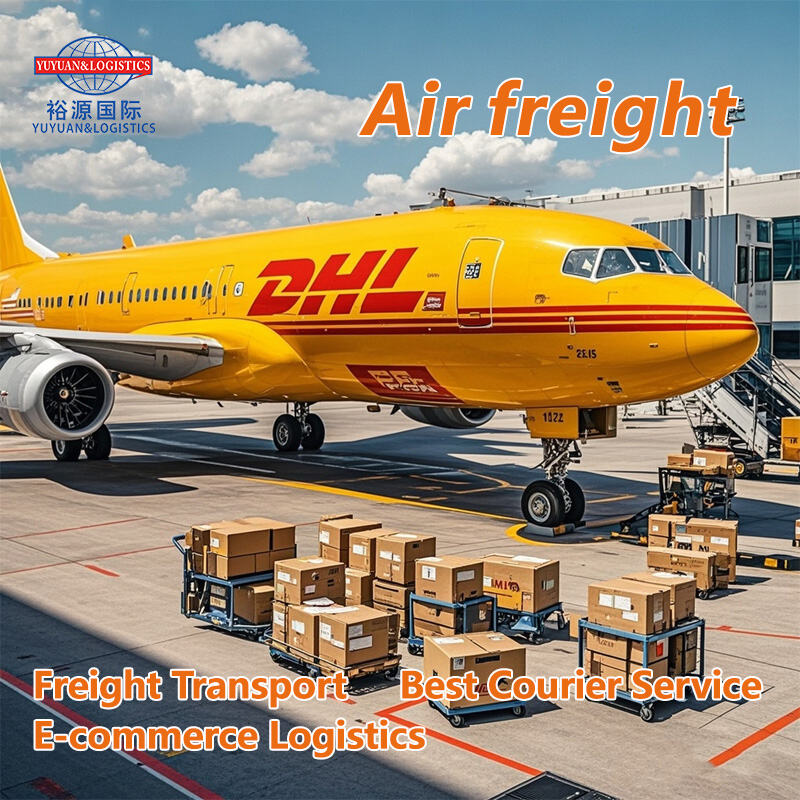
The End-to-End International Air Freight Process
Booking and Quotation: Aligning Service Level, Transit Time, and Incoterms
When companies need to ship goods internationally, they usually start by getting price estimates from freight forwarders. They look at things like what kind of service they want, how long it will take, and who is responsible for what under Incoterms® 2020 rules. Fast shipping options that get stuff there within 24 to 72 hours generally cost about 40 to 60 percent more than regular service which takes around 3 to 7 days, according to recent industry benchmarks from IATA in 2023. The Incoterms themselves define where responsibility changes hands during transport. For instance, under FCA terms, once the goods are handed over to the carrier, the buyer takes care of getting them out of the country. But with DAP terms, the seller stays responsible right up until the cargo reaches its final destination point. Most forwarders provide comprehensive pricing breakdowns that include not just the basic freight charges but also extra costs like fuel adjustments, security payments, and terminal handling fees. This detailed approach helps everyone understand exactly what they're paying for before actually making a booking decision.
Pre-Carriage, Export Handling, and Air Waybill Issuance (MAWB/HAWB)
After booking is confirmed, pre-carriage transports cargo to departure airports using trucks or trains. Most air freight gets consolidated along the way too, around 92% actually according to IATA data from 2023. When it comes time for exports, trained staff check all those commercial invoices and packing lists, handle the electronic customs paperwork, and run through security checks that meet AVSEC standards. The airlines then hand out what's called a Master Air Waybill (MAWB) to the forwarding companies. These forwarders create separate House Air Waybills (HAWBs) for each shipment inside those bigger consolidated loads. Getting all documentation right from the start can stop roughly three quarters of unnecessary clearance holdups, say experts tracking international trade trends.
Flight Execution, Transit Handling, and Final Delivery (Door-to-Door Timeline)
Carriers provide real-time tracking via platforms like WebCargo throughout flight execution. At transit hubs, cross-docking occurs within tight 4–8 hour windows—essential for maintaining schedule integrity on multi-leg routes. Upon arrival, licensed customs brokers initiate pre-clearance using Harmonized System (HS) codes to expedite import formalities. A typical door-to-door timeline includes:
- 24 hours for pre-carriage and export processing
- 1–5 days for flight transit (route-dependent)
- 8–48 hours for import clearance and last-mile delivery
Express lanes compress this entire cycle to under 72 hours for time-critical shipments.
Essential Air Freight Documentation and Regulatory Compliance
Commercial Invoice, Packing List, and Air Waybill: Purpose and Common Pitfalls
Three key documents form the backbone of any air shipment: commercial invoice which establishes value and ownership, packing list detailing what's inside and how much there is, and the Air Waybill AWB serving as the actual legal agreement between shipper and carrier. When mistakes happen like wrong HS codes, weight differences over 5% either way, or when someone forgets to sign off as exporter, customs typically holds things up for around 48 hours according to Ponemon Institute research from last year. And let's not forget about those dangerous goods that get mislabeled or invoices that don't reflect true value these issues cause roughly two thirds of all rejection cases seen at big international airports worldwide.
Ancillary Requirements: Certificates of Origin, Export Licenses, and IATA e-AWB Adoption
When dealing with specialized cargo, extra paperwork often comes into play. Certificates of Origin help confirm where something was made so companies can get better tariff rates, and export licenses are needed for items that might have both commercial and military applications. The IATA e-AWB system has become standard practice among most big shipping companies these days. Since its rollout over the past few years, this digital solution has cut down on processing mistakes by around 30%. When fully implemented across operations, the system takes away all that tedious manual data entry work, speeds up how quickly cargo gets released at ports, and makes sure everything stays compliant during audits without any last minute scrambling.
Customs Clearance for Air Freight Shipments
Pre-Clearance Strategies and the Role of Licensed Customs Brokers
Getting customs paperwork sorted out before the plane lands is one of those smart moves that can save everyone from sitting around at the airport waiting. Customs brokers who know their stuff really understand how tariffs work, figure out what duties apply, and know all the ins and outs of free trade agreements. These professionals handle the electronic submissions ahead of time with shipping companies, double checking everything against those HS code lists and commercial invoices we all deal with. When they get involved early on, there are fewer mistakes holding things up, plus they spot chances to save money on duties too something that matters a lot when trying to keep costs down and get products to market faster.
AEO Status, Risk-Based Inspection, and Mitigating Delays at Arrival
Getting AEO certification shows customs officials that a company has reliable supply chain practices in place, which means faster processing times and fewer physical inspections at borders. With modern risk assessment systems now incorporating artificial intelligence, certified businesses see their cargo released about 70 percent quicker according to recent WCO reports from 2023. Maintaining good records is essential for keeping this benefit, so companies need to keep all documentation ready for audits at any time. Packaging must match exactly what's declared on paperwork too. Many smart shippers also take advantage of pre-arrival processing systems to streamline operations. Having real time visibility into shipments combined with quick responses from customs brokers helps avoid those frustrating delays when inspections happen unexpectedly.
Shipment Preparation and Operational Best Practices
Volumetric Weight Calculation, Packaging Standards, and ULD Compatibility
When figuring out what gets charged for shipping, carriers go with whichever is higher between the actual weight and something called volumetric weight. To calculate that second number, just multiply length by width by height in centimeters then divide by 6000. The boxes need to handle pretty serious stress too, around 9 times gravity when planes hit turbulence, plus they have to keep water out. According to recent stats from IATA, almost a quarter of all damaged goods in the sky come down to bad packing practices on pallets. Getting things right with those standard containers known as ULDs matters a lot because mismatched sizes mean extra charges and wasted time getting stuff loaded properly. When companies make good use of these standardized units, they actually save money in the long run since planes can carry more cargo without wasting precious space.
AVSEC Screening, Dangerous Goods Compliance, and Incoterm-Specific Responsibilities
Air freight must go through required aviation security checks, which includes full x-ray scanning for all consolidated cargo. When dealing with dangerous items, there's no getting around following the International Air Transport Association rules about dangerous goods. Packaging needs to be certified by the United Nations standards, labels have to match regulations exactly, and every shipment requires that official Shipper Declaration form filled out properly. Getting these things wrong can lead to serious problems. According to International Civil Aviation Organization data from last year, mislabeled hazardous materials account for nearly 4 out of 10 flight diversions worldwide. Regarding Incoterms, they basically determine who handles what during shipping operations. With EXW terms, the buyer takes care of all export paperwork themselves. But when using DDP terms, the seller handles everything right up to clearing customs at the destination port. Making sure these Incoterm responsibilities are clearly written down helps avoid expensive misunderstandings later on when cargo moves between carriers or faces unexpected customs questions.
FAQ Section
What are Incoterms?
Incoterms, or International Commercial Terms, are a set of predefined rules published by the International Chamber of Commerce. They are used worldwide for international and domestic contracts for the sale of goods. They help parties understand responsibilities related to delivery, risk, and costs.
Why is a Master Air Waybill (MAWB) important?
A Master Air Waybill (MAWB) is crucial because it acts as the contract between the carrier and the forwarder. It's issued by the carrier and is used for tracking and identifying the shipment.
What role do customs brokers play in air freight?
Customs brokers facilitate import and export of goods by handling clearance procedures, ensuring compliance with regulations, and processing necessary documentation.
How is volumetric weight calculated?
Volumetric weight is calculated by multiplying the length, width, and height of a package in centimeters and dividing the result by 6000. Carriers use the higher of the actual or volumetric weight to calculate shipping charges.